In the exciting world of 3D printing, creativity knows no bounds. Yet, with every innovative design and functional prototype, a not-so-glamorous byproduct emerges: plastic waste. Failed prints, support structures, and the inevitable “purge blocks” pile up, creating a significant environmental and economic challenge. But what if you could turn that waste into a valuable resource, closing the loop on your printing process? This is where the 3d Printer Filament Recycler comes in, offering a powerful solution to transform your plastic scraps into fresh, usable filament, paving the way for a more sustainable and cost-effective future.
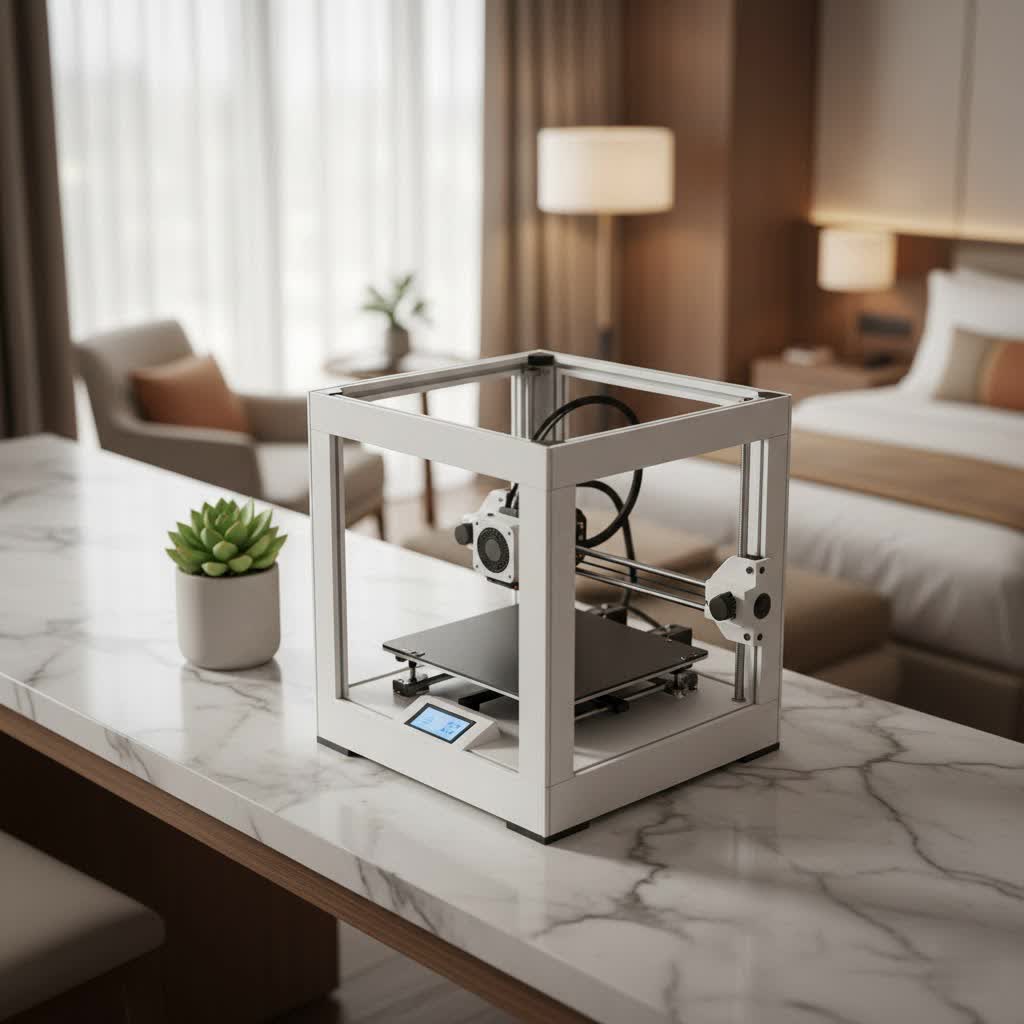
What Exactly is a 3D Printer Filament Recycler?
A 3D printer filament recycler is essentially a specialized machine designed to process plastic waste from 3D printing (and sometimes other sources) and convert it back into filament that your 3D printer can use. Think of it as your personal, desktop recycling plant, giving new life to what would otherwise end up in a landfill. This innovative technology helps create a closed-loop system, making your 3D printing endeavors significantly more eco-friendly and economical.
Why Should You Consider a Filament Recycler?
The benefits of integrating a filament recycler into your 3D printing workflow extend far beyond simply cleaning up your workspace. They touch on crucial aspects of sustainability, economics, and even creative expression.
Environmental Impact & Circular Economy
|
Our Picks for the Best 3D Printer in 2026
As an Amazon Associate I earn from qualifying purchases.
|
||
| Num | Product | Action |
|---|---|---|
| 1 | FLASHFORGE AD5M Pro 3D Printer 600mm/s High Speed & Precision, Full-Auto Calibration with 0.4&0.6mm Nozzle Bundle, CoreXY Structure & Auxiliary Chamber Cooling, ≤50 dB Quite Printing Camera Printers |

|
| 2 | FLASHFORGE AD5X Multi-Color 3D Printer, CoreXY 600mm/s High-Speed, 1-Click Auto Leveling, 300°C Direct Drive Extruder, 220x220x220mm Build Volume, Ideal for Precision and Efficiency |
|
| 3 | FLASHFORGE Adventurer 5M 3D Printer with Fully Auto Leveling, Max 600mm/s High Speed Printing, 280°C Direct Extruder with 3S Detachable Nozzle, CoreXY All Metal Structure, Print Size 220x220x220mm |
|
| 4 | FLASHFORGE Adventurer 5M Pro 3D Printer with 1 Click Auto Printing System, 600mm/s High-Speed, Quick Detachable 280°C Nozzle, Core XY All-Metal Structure, Multi-Functional 220x220x220mm 3D Printer |
|
| 5 | FLASHFORGE AD5X Multi-Color 3D Printer 4 Colors with IFS, Fully Auto Leveling FDM 3D Printer with Max 600mm/s High Speed Printing and Max 300°C Nozzle, Large Printing Size 220 * 220 * 220mm |
|
| 6 | Creality K2 SE Combo 3D Printer, Support Multicolor Printing with CFS, 500mm/s High-Speed, Smart Auto Leveling, Solid Metal Build Frame, Fully Assembled, Next-Gen Extruder, 220×215×245 mm Build Volume |
|
| 7 | Anycubic Multicolor 3D Printer, Kobra S1 Combo Core XY Stable Structure with Sealed Printing High Precision 600mm/s Fast Speed Auto Calibration Ideal for Precision and Efficiency 9.8\"x9.8\"x9.8\" |
|
| 8 | FLASHFORGE AD5M 3D Printer Fully Auto Calibration Print with 1-Click Max 600mm/s Speed, All-Metal CoreXY Structure Precise Printing, Easy-Maintenance Quick-Swap Nozzle, Print Size 220x220x220mm |
|
| 9 | FLASHFORGE AD5X Multi-Color 3D Printer with IFS, 600mm/s High Speed, 300°C High Temp Direct Extruder, Fully Auto Leveling, All Metal CoreXY,4-Color Printing for PLA-CF,PETG-CF, 220x220x220mm |
|
| 10 | Creality Ender 3 V3 SE 3D Printer, 250mm/s Faster Print Speed CR Touch Auto Leveling Sprite Direct Extruder Dual Z-Axis Auto Filament Loading Ender 3 Upgrade 3D Printer Print Size 8.66x8.66x9.84 inch |
|
Perhaps the most compelling reason to embrace filament recycling is its positive environmental impact. Every kilogram of plastic waste you recycle means less plastic going into landfills or polluting our oceans. By turning your discarded prints into new filament, you’re actively contributing to a circular economy, where resources are reused and repurposed rather than consumed and discarded. It’s about taking responsibility for our plastic footprint. As material scientist Dr. Lena Petrova often says, “The true innovation lies not just in creating new materials, but in reimagining the lifecycle of those we already use.”
Economic Advantages
Let’s talk numbers. 3D printer filament, especially specialty types, can be a significant ongoing expense. With a filament recycler, you’re transforming what would be a cost (disposal) into savings (new material). Imagine turning your failed prints and test pieces into free filament! Over time, these savings can be substantial, making your 3D printing projects more viable, whether you’re a hobbyist or a professional studio. It’s a smart investment that pays for itself.
Creative Freedom & Material Customization
Beyond saving money and the planet, recycling your own filament opens up exciting possibilities for customization. Want a unique color blend? Mix different colored scraps! Need to experiment with specific material properties? Some systems allow you to blend recycled plastics with virgin pellets or additives to fine-tune your filament. This level of control empowers you to truly become a master of your materials, fostering innovation and unique artistic expression.
How Do 3D Printer Filament Recyclers Work? The Step-by-Step Process
At its core, a filament recycler follows a fairly consistent process, though the specific machinery and precision can vary. Understanding these steps demystifies the technology and highlights the critical points for quality control.
Step 1: Collection & Sorting
The journey begins with collecting your plastic waste. This includes failed prints, support material, calibration cubes, and even virgin plastic scraps. The most crucial part of this step is sorting by plastic type. PLA must be kept separate from ABS, PETG, and other polymers. Mixing different plastics, even in small amounts, can lead to unusable filament due to varying melting temperatures and chemical properties.
Step 2: Shredding & Granulating
Once sorted, the plastic waste needs to be broken down into small, uniform pieces, often called granules or flakes. This is typically done with a shredder or grinder. The consistency of these pieces is vital for the next stage, ensuring even melting and extrusion.
Step 3: Drying
Many 3D printing plastics, like PETG and PLA, are hygroscopic, meaning they absorb moisture from the air. This moisture can cause significant issues during extrusion, leading to bubbles, inconsistencies, and brittle filament. Therefore, a drying step is often crucial to remove any absorbed water from the plastic granules before they are melted.
Step 4: Extrusion
This is the heart of the recycling process. The dried plastic granules are fed into an extruder, which typically consists of a heated barrel and a rotating screw. The screw pushes the plastic through the heated section, melting it into a molten state. This molten plastic is then forced through a precisely sized nozzle (often 1.75mm or 2.85mm, matching standard filament diameters) to form a continuous strand of new filament. Precision temperature control is paramount here to prevent material degradation and ensure a consistent melt flow.
Step 5: Cooling & Spooling
As the hot plastic strand exits the nozzle, it needs to be rapidly cooled to solidify and maintain its exact diameter. Many systems use air cooling or a water bath. Simultaneously, a winder or spooler pulls the filament at a controlled speed and winds it onto an empty spool. A diameter sensor is often integrated into this stage to monitor and maintain the filament’s thickness within tight tolerances, which is critical for consistent printing performance.
Types of Filament Recyclers: From Desktop to Industrial Solutions
The market for 3D printer filament recyclers is growing, offering solutions for various needs and budgets.
Desktop/DIY Recyclers
For hobbyists, makerspaces, and small studios, desktop or DIY filament recyclers offer an accessible entry point. Projects like the open-source Recyclebot or commercial desktop units such as ExtrudeX and Felfil are designed to be compact and relatively affordable. Many DIY solutions even allow you to 3D print most of the machine’s structural components, further reducing costs and promoting a hacker-friendly approach. These are fantastic for learning the ropes and processing smaller volumes of waste.
Commercial/Industrial Systems
On the other end of the spectrum are commercial and industrial-grade filament recycling systems, like those offered by Filabot or 3devo. These robust machines are built for higher throughput, greater precision, and often support a wider range of materials. They typically feature advanced controls, integrated safety features, and often come as complete, in-house solutions including shredders, dryers, extruders, and spoolers. These are ideal for businesses, educational institutions, and research facilities looking to implement large-scale recycling operations.
Key Considerations Before Investing in a Filament Recycler
Choosing the right filament recycler involves more than just picking the cheapest option. Here are some critical factors to weigh:
Material Compatibility
What types of plastic waste do you primarily generate? Most desktop recyclers handle common materials like PLA and PETG well. However, if you plan to recycle tougher materials like ABS, Nylon, or even flexible TPU, you’ll need a machine designed with the appropriate heating elements and extrusion capabilities. Always check the machine’s specifications for compatible materials.
Filament Quality & Consistency
The ultimate goal is usable filament. Look for machines that emphasize consistent filament diameter (e.g., within ±0.05mm tolerance) and even melt flow. Inconsistent filament can lead to print failures, clogged nozzles, and poor-quality objects. Some recyclers include real-time diameter monitoring and feedback loops to help maintain quality.
Cost vs. ROI
Recyclers range from a few hundred dollars for basic DIY setups to tens of thousands for industrial systems. Calculate the estimated payback period based on your current filament consumption and waste generation. Remember to factor in not just the purchase price, but also energy consumption, maintenance, and potential replacement parts.
Safety Features
Working with high temperatures and rotating machinery requires caution. Ensure any machine you consider has adequate safety features, especially if it will be used in a shared workspace or by less experienced operators.
Blending with Virgin Pellets
Some users choose to blend their recycled plastic with a percentage of virgin pellets (e.g., 60% virgin, 40% recycled). This can significantly improve the quality, strength, and consistency of the resulting filament, especially after multiple recycling cycles where polymer chains might degrade slightly. This practice helps maintain desired print properties while still benefiting from waste reduction.
Maximizing Your Filament Recycling Efforts: Expert Tips
To truly get the most out of your 3D printer filament recycler, keep these expert tips in mind:
- Be Meticulous with Sorting: As industry veteran Mr. David Chen of WMTSV often advises, “Your recycled filament is only as good as your sorting. Contamination is the enemy of consistency.” Separate plastics rigorously by type and even color if specific aesthetics are desired.
- Cleanliness is Key: Remove any residual debris, support material, or foreign objects from your plastic waste. Dust and dirt can clog your extruder and compromise filament quality.
- Don’t Skip Drying: If your plastic is prone to moisture absorption, a thorough drying step before extrusion is non-negotiable. This prevents frustrating print issues down the line.
- Monitor Diameter Religiously: Use a caliper or an integrated sensor to regularly check the diameter of your extruded filament. Small variations can have a big impact on your prints.
- Test, Test, Test: After you produce a new spool of recycled filament, print a small calibration cube or test piece. Check for layer adhesion, strength, and overall printability. This helps you fine-tune your recycling settings.
- Store Properly: Once recycled, treat your new filament just like virgin filament. Store it in a dry, cool environment, ideally in a sealed bag with desiccant, to prevent moisture absorption.
Frequently Asked Questions (FAQs)
Q: Can all types of plastic be recycled into 3D printer filament?
A: No, not all plastics are suitable for filament recycling. Common 3D printing plastics like PLA, PETG, and ABS are generally good candidates, but proper identification and separation of plastic types are crucial due to their different melting points and chemical properties.
Q: How much does a 3D printer filament recycler cost?
A: The cost varies widely. Desktop or DIY kits can start from a few hundred dollars, while professional or industrial systems can range from several thousand to tens of thousands of dollars, depending on features, throughput, and precision.
Q: Is recycled filament quality comparable to new filament?
A: With careful sorting, processing, and potentially blending with virgin pellets, recycled filament can achieve quality very close to new filament. However, polymer chains can degrade slightly with each recycling cycle, potentially leading to minor reductions in strength or consistency.
Q: What are the common challenges when using recycled filament?
A: Challenges can include inconsistent filament diameter, which leads to extrusion issues; variations in material properties due to impurities or degradation; and potential issues like poor layer adhesion, warping, or clogging during printing. Careful process control is key to mitigating these.
Q: Can I mix different colors of plastic when recycling filament?
A: Yes, you can mix different colors of the same plastic type (e.g., all PLA) to create unique color blends. However, be aware that the resulting color might be unpredictable, often yielding a muted or darker hue. For consistent color, it’s best to recycle single-color batches or add colorants during extrusion.
Conclusion: Shaping a Sustainable Future with Filament Recycling
The journey towards truly sustainable 3D printing is an ongoing one, and 3D printer filament recyclers are a crucial tool in our arsenal. They empower us to take control of our waste, reduce our environmental impact, and unlock new economic and creative possibilities. By transforming discarded plastic into a valuable resource, we’re not just recycling filament; we’re actively shaping a more responsible and innovative future for additive manufacturing. So, are you ready to close the loop and turn your waste into wonder with a 3D printer filament recycler? Let’s make every print count, not once, but twice!
