Step into a world where ancient artistry meets cutting-edge innovation – that’s the realm of the Ceramic 3d Printer. For over 15 years, I’ve been immersed in the fascinating evolution of additive manufacturing, and few areas have shown as much transformative power as ceramic 3D printing. It’s no longer just about plastic prototypes; we’re talking about crafting intricate, high-performance ceramic components that are redefining possibilities across industries, from delicate artistic creations to robust aerospace parts. If you’ve ever wondered how ceramics, with their incredible strength, heat resistance, and unique properties, are being shaped by digital technology, you’re in the right place. We’re about to explore the heart of this exciting field, demystifying the complex processes and showcasing why ceramic 3D printing is rapidly becoming an indispensable tool for innovators worldwide.
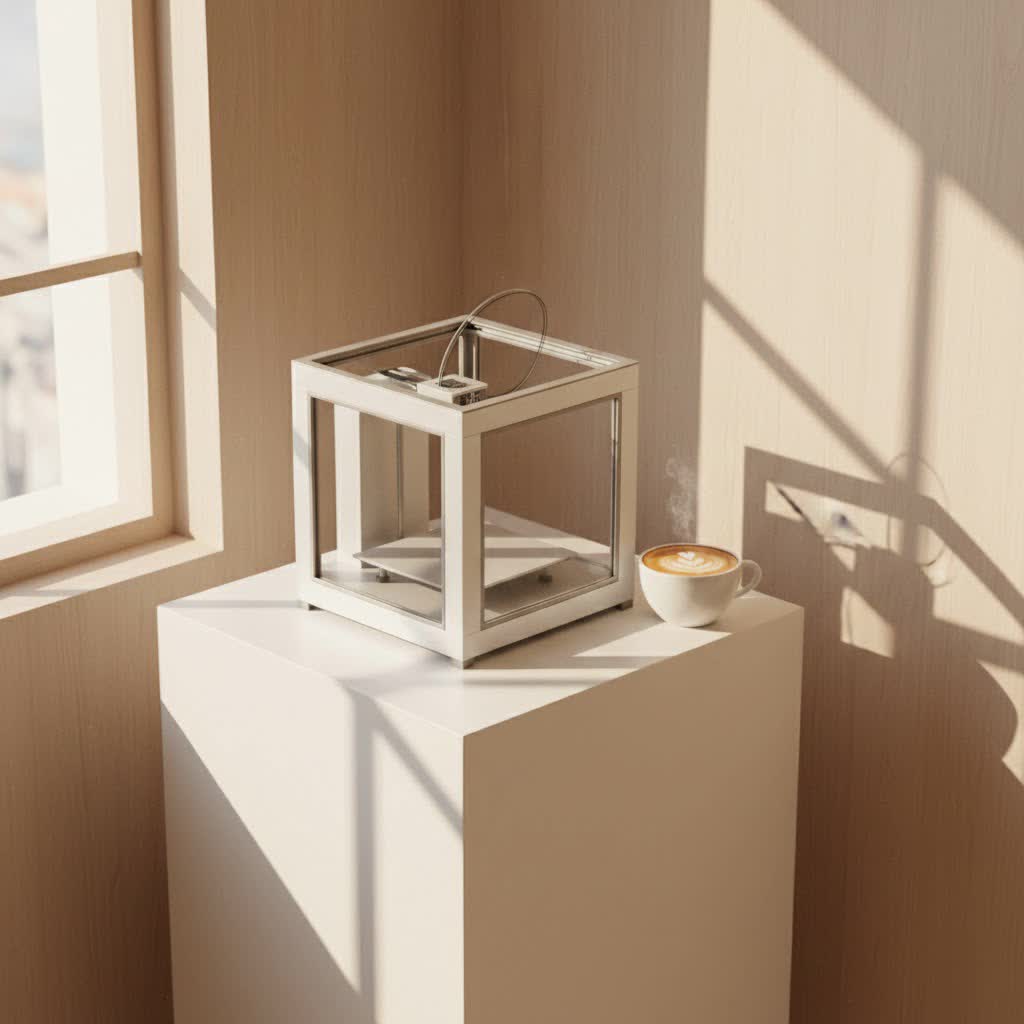
What is a Ceramic 3D Printer? How Does it Work?
At its core, a ceramic 3D printer is a specialized additive manufacturing system designed to build three-dimensional objects layer by layer using ceramic materials. Unlike traditional methods that subtract material or use molds, 3D printing allows for unprecedented geometric freedom. However, ceramic 3D printing has a unique characteristic: it’s an “indirect” process. This means the printer first creates a “green part” – a fragile, unfired object. This green part then undergoes crucial post-processing steps, typically including debinding (removing binders) and high-temperature sintering, which fuses the ceramic particles together, giving the final object its density, strength, and iconic ceramic properties. This indirect approach is essential for achieving the dense, functional ceramic parts we rely on.
The Core Technologies: Types of Ceramic 3D Printing
Just like with polymers or metals, ceramic 3D printing isn’t a one-size-fits-all technology. Different methods cater to various needs, from artistic expression to high-precision engineering.
Extrusion-Based Ceramic 3D Printing: Crafting with Paste
Think of it as a robotic potter. Extrusion-based ceramic 3D printing, often called paste extrusion or robocasting, works by forcing a ceramic paste (like clay) through a nozzle, depositing continuous beads layer by layer onto a build platform. This method is quite accessible and often used by artists and educators due to its lower equipment cost and ability to work with traditional ceramic materials like clay and porcelain.
- Pros: Cost-effective, suitable for large parts with relatively simple geometries, and allows for the use of familiar clay materials. Many users appreciate the hands-on feel, almost like digital sculpting.
- Cons: Typically results in a coarser surface finish with visible layer lines. Geometric freedom can be more restricted compared to other methods, and achieving consistent extrusion can be challenging.
|
Our Picks for the Best 3D Printer in 2026
As an Amazon Associate I earn from qualifying purchases.
|
||
| Num | Product | Action |
|---|---|---|
| 1 | FLASHFORGE AD5X Multi-Color 3D Printer with IFS, 600mm/s High Speed, 300°C High Temp Direct Extruder, Fully Auto Leveling, All Metal CoreXY,4-Color Printing for PLA-CF,PETG-CF, 220x220x220mm |

|
| 2 | FLASHFORGE Adventurer 5M Pro 3D Printer with 1 Click Auto Printing System, 600mm/s High-Speed, Quick Detachable 280°C Nozzle, Core XY All-Metal Structure, Multi-Functional 220x220x220mm 3D Printer |
|
| 3 | FLASHFORGE AD5M 3D Printer Fully Auto Calibration Print with 1-Click Max 600mm/s Speed, All-Metal CoreXY Structure Precise Printing, Easy-Maintenance Quick-Swap Nozzle, Print Size 220x220x220mm |
|
| 4 | Creality Ender 3 V3 SE 3D Printer, 250mm/s Faster Print Speed CR Touch Auto Leveling Sprite Direct Extruder Dual Z-Axis Auto Filament Loading Ender 3 Upgrade 3D Printer Print Size 8.66x8.66x9.84 inch |
|
| 5 | FLASHFORGE AD5M Pro 3D Printer 600mm/s High Speed & Precision, Full-Auto Calibration with 0.4&0.6mm Nozzle Bundle, CoreXY Structure & Auxiliary Chamber Cooling, ≤50 dB Quite Printing Camera Printers |
|
| 6 | FLASHFORGE Adventurer 5M 3D Printer with Fully Auto Leveling, Max 600mm/s High Speed Printing, 280°C Direct Extruder with 3S Detachable Nozzle, CoreXY All Metal Structure, Print Size 220x220x220mm |
|
| 7 | Anycubic Multicolor 3D Printer, Kobra S1 Combo Core XY Stable Structure with Sealed Printing High Precision 600mm/s Fast Speed Auto Calibration Ideal for Precision and Efficiency 9.8\"x9.8\"x9.8\" |
|
| 8 | Creality K2 SE Combo 3D Printer, Support Multicolor Printing with CFS, 500mm/s High-Speed, Smart Auto Leveling, Solid Metal Build Frame, Fully Assembled, Next-Gen Extruder, 220×215×245 mm Build Volume |
|
| 9 | FLASHFORGE AD5X Multi-Color 3D Printer 4 Colors with IFS, Fully Auto Leveling FDM 3D Printer with Max 600mm/s High Speed Printing and Max 300°C Nozzle, Large Printing Size 220 * 220 * 220mm |
|
| 10 | FLASHFORGE AD5X Multi-Color 3D Printer, CoreXY 600mm/s High-Speed, 1-Click Auto Leveling, 300°C Direct Drive Extruder, 220x220x220mm Build Volume, Ideal for Precision and Efficiency |
|
Unveiling Precision: SLA/DLP Ceramic 3D Printing
When precision and fine detail are paramount, Stereolithography (SLA) or Digital Light Processing (DLP) ceramic 3D printing steps into the spotlight. These technologies use a photosensitive ceramic slurry – a suspension of ceramic particles in a UV-curable resin – which is then selectively solidified layer by layer using a laser (SLA) or a digital light projector (DLP).
- Pros: Delivers exceptional resolution, ultra-fine details, and smooth surface finishes, making it ideal for intricate designs like dental restorations, microfluidic devices, and complex electronic components. It’s compatible with high-performance technical ceramics.
- Cons: Material costs can be higher, and the post-processing (cleaning, debinding, sintering) is often more involved due to the resin content.
Powering Industrial Scale: Ceramic Binder Jetting
For large-scale production and complex internal structures, binder jetting is a powerful choice. This method involves depositing a liquid binding agent onto thin layers of ceramic powder, selectively fusing the particles. Once the green part is printed, unbound powder is removed, and the part undergoes sintering to achieve its final density.
- Pros: Capable of producing large parts and batches at high speeds. Since printing occurs at room temperature, there’s no thermal distortion during the build process. It’s excellent for creating complex geometries without needing support structures from the same material.
- Cons: Printed parts initially have significant porosity and require extensive post-processing (infiltration and sintering) to achieve desired mechanical properties. The financial entry barrier can also be quite high.
Emerging Methods: Inkjet and Others
Beyond these core technologies, advancements continue. Inkjet 3D printing for ceramics, for example, precisely deposits ceramic nanosuspension droplets, offering extreme precision, especially useful for very thin details and 3D printed electronics, though it can be slow and expensive. Laser-based powder bed fusion methods, such as Selective Laser Sintering (SLS), are also being explored, though high melting points and thermal stress challenges limit their current widespread application to research and development.
Materials Beyond Clay: What Can Ceramic 3D Printers Use?
The beauty of ceramic 3D printing lies in its versatility with materials, bridging the gap between traditional pottery and advanced engineering.
- Traditional Ceramics: Materials like earthenware, stoneware, and porcelain are commonly used with extrusion-based printers for artistic and functional objects such as vases, tableware, and decorative items. Even sand and concrete can be 3D printed for architectural components and furniture.
- Technical Ceramics: These are the workhorses of high-performance applications. Common examples include:
- Alumina (Aluminum Oxide): Known for its hardness, wear resistance, electrical insulation, and high-temperature stability.
- Zirconia (Zirconium Oxide): Offers exceptional strength, toughness, and biocompatibility, making it perfect for medical and dental applications, as well as luxury goods.
- Silicon Carbide and Silicon Nitride: These non-oxide ceramics provide superior performance in extreme environments, offering high temperature, corrosion, and oxidation resistance.
- Hydroxyapatite: A biocompatible ceramic used extensively for bone grafts and medical implants.
- Ceramic Filaments: For those familiar with FFF (Fused Filament Fabrication) plastic printers, ceramic-filled filaments are available, allowing users to leverage their existing hardware. These filaments contain ceramic particles bound in a polymer matrix and require post-processing to achieve a pure ceramic part.
Where Ceramic 3D Printers Shine: Key Applications
The properties of ceramics – high strength, extreme heat resistance, electrical insulation, and chemical stability – make 3D printed ceramic parts indispensable across a myriad of demanding applications.
Revolutionizing Healthcare: Medical & Dental Implants
Ceramic 3D printing is transforming healthcare by enabling the production of biocompatible implants, prosthetics, and dental devices tailored to individual patient anatomy. Hydroxyapatite, for instance, is used to create bone grafts that support new bone tissue growth, accelerating healing. Imagine dental crowns or complex orthopedic implants perfectly designed for you – that’s the power here.
Pushing Boundaries: Aerospace & Automotive Components
In aerospace and automotive industries, ceramic 3D printers are critical for creating lightweight, heat-resistant parts for engines, turbines, and electrical systems. This includes custom heat shields, engine components, and insulating parts that can withstand extreme temperatures and harsh environments, enhancing both performance and durability.
Innovations in Electronics & Energy
Ceramics are exceptional electrical insulators and can endure high temperatures, making them ideal for sensitive electronic and semiconductor applications. From intricate microelectronic substrates to sensors and advanced components for fuel cells, batteries, and solar panels, ceramic 3D printing pushes the boundaries of miniaturization and performance in the energy sector.
Art, Design, and Beyond: Bringing Visions to Life
Beyond industrial applications, ceramic 3D printing is a game-changer for artists and designers. It allows for the creation of unique sculptures, intricate lamps, custom bathroom fixtures, and architectural elements that would be impossible with traditional methods. The ability to create highly detailed, customized pieces with complex geometries inspires unparalleled creativity.
Navigating the Roadblocks: Challenges in Ceramic 3D Printing
While the potential of ceramic 3D printing is immense, it’s not without its hurdles. These challenges often stem from the inherent properties of ceramic materials and the multi-step nature of the additive manufacturing process.
The Shrinkage Factor: Debinding and Sintering
One of the most significant challenges is managing the high shrinkage that occurs during the debinding and sintering phases. Ceramic parts must be heated to extremely high temperatures (often 1200-1800°C) to achieve full density, which causes considerable volumetric reduction. This shrinkage, if not carefully controlled, can lead to warping, deformation, or cracking in the final part. “Achieving dimensional accuracy post-sintering is an art as much as a science,” observes Dr. Elena Petrova, a renowned materials scientist specializing in advanced ceramics. “It requires meticulous calibration and material understanding to predict and compensate for the contraction.”
Battling Brittleness: Handling Green Parts
Before sintering, the “green parts” produced by ceramic 3D printers are incredibly fragile. They have low tensile strength and are highly susceptible to cracking or damage during handling, support removal, and initial cleaning steps. This fragility demands delicate post-processing techniques and designs that minimize unsupported features.
Surface Finish and Material Compatibility
Achieving a perfectly smooth surface finish can be challenging, especially with extrusion or binder jetting, where layer lines may be visible. Post-processing steps like polishing or glazing are often necessary to improve surface quality. Additionally, not all ceramic materials are easily adapted for 3D printing, and feedstock preparation for slurries and powders requires specific expertise to ensure printability and final part quality.
Choosing Your Ceramic 3D Printer: A Buyer’s Guide
Ready to dive into ceramic 3D printing? Selecting the right machine requires careful consideration of your specific needs, budget, and desired outcomes.
What to Consider Before You Buy
- Define Your Use Case: Are you an artist creating unique pottery, a dentist making crowns, or an engineer prototyping high-performance components? Your application will dictate the required precision and material types.
- Layer Resolution: For intricate designs, aim for systems offering resolutions of 50 microns or less, typically found in SLA/DLP printers. Extrusion systems usually range from 100-300 microns.
- Build Volume: Consider the maximum size of the parts you intend to print. Desktop models are suitable for smaller objects, while industrial units can handle significantly larger components.
- Material Compatibility: Check if the printer supports “open” material systems (allowing third-party resins or pastes) or if it’s restricted to proprietary cartridges, which can impact material costs and flexibility.
- Software and Workflow: Ease of use for slicing and preparing models is crucial. Ensure compatibility with standard 3D file formats like STL or OBJ.
- Post-Processing Integration: Remember, the printer is only one part of the equation. Consider the need for debinding ovens and high-temperature kilns, and whether the printer manufacturer offers integrated solutions or recommendations.
- Budget: Entry-level desktop ceramic printers can start around $3,000, while professional industrial systems can cost upwards of $20,000, not including post-processing equipment.
Popular Ceramic 3D Printer Brands and Models
The market for ceramic 3D printers is growing, with options ranging from hobbyist-friendly setups to industrial powerhouses:
- 3D Potter: Well-known for its robust paste extrusion systems, ideal for art, design, and larger-scale clay printing.
- SoonSer (CeraRay Series): Offers DLP ceramic 3D printers specializing in high-precision, complex parts for electronics and dental applications.
- Lithoz (CeraFab Series): A leader in industrial-grade SLA (Lithography-based Ceramic Manufacturing – LCM) for high-quality technical ceramic parts, particularly for medical and advanced industrial uses.
- Voxeljet (VX series): Provides industrial binder jetting systems capable of processing ceramic materials for large components or batch production.
- Eazao (Matrix Series) and Tronxy (Moore Series): These brands offer extrusion-based ceramic printers that provide more accessible entry points for enthusiasts and smaller studios.
The Future is Fired Up: Trends in Ceramic 3D Printing
The trajectory of ceramic 3D printing is undeniably upward. We’re seeing continuous advancements in material science, with new ceramic compositions being developed that are specifically optimized for additive manufacturing. Improved printer hardware and sophisticated software are making these processes more accessible, reliable, and precise. Automation in post-processing is also a key area of development, aiming to streamline the debinding and sintering steps and reduce manual labor. As these technologies mature, ceramic 3D printing will undoubtedly become even more integral to developing high-performance components, fostering innovation, and bringing previously impossible ceramic designs to life across countless industries.
Conclusion
From intricate dental prosthetics to high-temperature aerospace components, the ceramic 3D printer is no longer a niche tool but a pivotal technology shaping our future. Its ability to create complex geometries with unparalleled material properties offers a blend of artistic freedom and engineering prowess that traditional manufacturing simply can’t match. As we continue to push the boundaries of what’s possible, WMTSV remains committed to being your trusted guide in this exciting landscape, providing you with the insights and expertise to confidently navigate the world of ceramic 3D printing. The future is being built, layer by ceramic layer, and it’s looking incredibly strong.
Frequently Asked Questions
What are the main types of ceramic materials used in 3D printing?
Ceramic 3D printing utilizes both traditional ceramics like clay and porcelain for artistic applications, and advanced technical ceramics such as alumina, zirconia, silicon carbide, and hydroxyapatite for high-performance industrial and biomedical uses.
Is ceramic 3D printing an “indirect” process? What does that mean?
Yes, ceramic 3D printing is an indirect process. This means the printer creates a “green part,” which is then subjected to crucial post-processing steps like debinding and high-temperature sintering to achieve the final, dense ceramic object.
What are the biggest challenges in ceramic 3D printing?
Key challenges include managing significant material shrinkage during sintering, the fragility of “green parts” before firing, and achieving perfectly smooth surface finishes. Material compatibility and control over the post-processing thermal cycles also present complexities.
How does ceramic 3D printing compare to traditional ceramic manufacturing?
Ceramic 3D printing offers superior design flexibility, enabling complex geometries and internal structures impossible with traditional molding or machining. It also allows for rapid prototyping and reduced material waste, though traditional methods may still be more cost-effective for very high-volume, simple parts.
What industries benefit most from ceramic 3D printer technology?
Industries that benefit most include aerospace and automotive (for lightweight, heat-resistant parts), medical and dental (for biocompatible implants and prosthetics), electronics (for insulators and substrates), and art and design (for intricate custom creations).
Can I use a standard 3D printer for ceramic materials?
While some FDM printers can be adapted with special extrusion kits to handle ceramic pastes or filaments, dedicated ceramic 3D printers or specialized systems (SLA/DLP, binder jetting) are typically required to achieve professional-grade results, especially with technical ceramics.
What is the typical cost range for a ceramic 3D printer?
The cost of a ceramic 3D printer varies widely. Entry-level desktop paste extrusion or small-format DLP systems can start around $3,000-$7,000, while industrial-grade machines capable of high precision and large volumes can range from $20,000 to over $150,000.
