Stepping into the world of 3D printing is an exciting journey, brimming with creative possibilities and innovative solutions. But one of the first questions that pops up for many aspiring makers and businesses alike is, “How much does a 3D printer cost?” It’s a question without a single, simple answer, as the 3d Printer Price can vary wildly, from a couple of hundred dollars to well into the hundreds of thousands. Understanding this spectrum and the factors that drive it is crucial for making an informed investment.
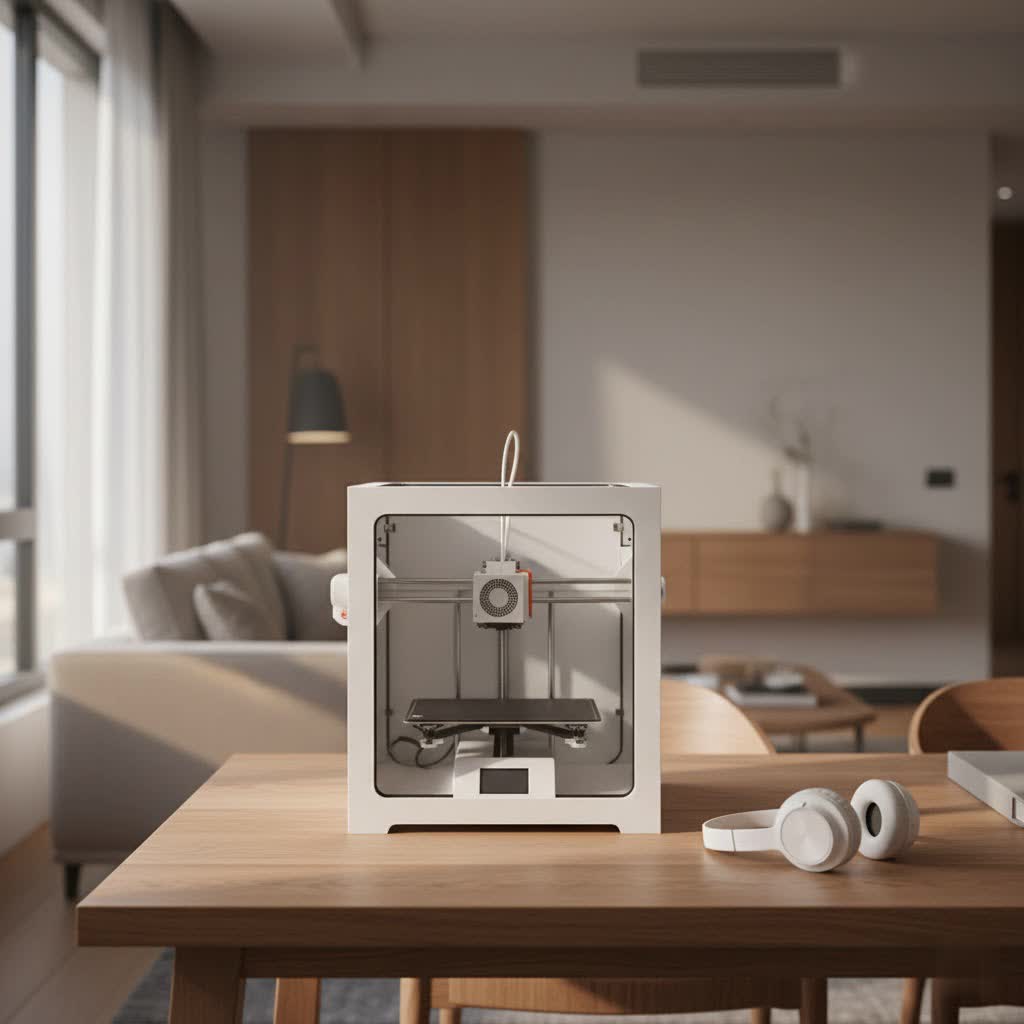
At WMTSV.com, with over 15 years in the trenches of additive manufacturing, we’ve seen the industry evolve dramatically. What was once a niche, high-cost technology is now accessible to almost anyone. This guide will peel back the layers of the 3D printer price, helping you navigate the market and find the perfect machine that aligns with your budget and ambitions.
What’s the Average 3D Printer Price? A Quick Overview
If you were to average every 3D printer on the market today, you might arrive at a figure around $400. However, this number can be misleading because it’s heavily skewed by the sheer volume of entry-level consumer models. In reality, the 3D printer price is a dynamic figure, heavily influenced by the printer’s intended use, its capabilities, the underlying technology, and its overall quality. From a simple gadget for educational fun to an industrial workhorse for high-volume production, there’s a 3D printer price point for every need.
Breaking Down the 3D Printer Price by Category
To truly understand the 3D printer price, it’s best to categorize them by their typical cost ranges and what you can expect at each level.
Entry-Level 3D Printers: The Budget-Friendly Gateway (Typically $100 – $400)
These are the perfect starting point for beginners, students, or anyone looking to dip their toes into 3D printing without breaking the bank. The 3D printer price in this category is remarkably accessible, often featuring Fused Deposition Modeling (FDM) technology. Many come as kits, offering a valuable learning experience during assembly.
- What to Expect: Basic functionalities, smaller build volumes, and usually compatible with common materials like PLA. Print speed and resolution might be moderate, but they’re perfectly adequate for learning the ropes and creating fun, functional prints.
- Examples: Popular models like the Creality Ender 3 series and the Bambu Lab A1 Mini are often praised for their value in this 3D printer price bracket.
|
Our Picks for the Best 3D Printer in 2026
As an Amazon Associate I earn from qualifying purchases.
|
||
| Num | Product | Action |
|---|---|---|
| 1 | Creality K2 SE Combo 3D Printer, Support Multicolor Printing with CFS, 500mm/s High-Speed, Smart Auto Leveling, Solid Metal Build Frame, Fully Assembled, Next-Gen Extruder, 220×215×245 mm Build Volume |

|
| 2 | FLASHFORGE AD5X Multi-Color 3D Printer 4 Colors with IFS, Fully Auto Leveling FDM 3D Printer with Max 600mm/s High Speed Printing and Max 300°C Nozzle, Large Printing Size 220 * 220 * 220mm |
|
| 3 | FLASHFORGE Adventurer 5M 3D Printer with Fully Auto Leveling, Max 600mm/s High Speed Printing, 280°C Direct Extruder with 3S Detachable Nozzle, CoreXY All Metal Structure, Print Size 220x220x220mm |
|
| 4 | FLASHFORGE Adventurer 5M Pro 3D Printer with 1 Click Auto Printing System, 600mm/s High-Speed, Quick Detachable 280°C Nozzle, Core XY All-Metal Structure, Multi-Functional 220x220x220mm 3D Printer |
|
| 5 | FLASHFORGE AD5M 3D Printer Fully Auto Calibration Print with 1-Click Max 600mm/s Speed, All-Metal CoreXY Structure Precise Printing, Easy-Maintenance Quick-Swap Nozzle, Print Size 220x220x220mm |
|
| 6 | FLASHFORGE AD5X Multi-Color 3D Printer, CoreXY 600mm/s High-Speed, 1-Click Auto Leveling, 300°C Direct Drive Extruder, 220x220x220mm Build Volume, Ideal for Precision and Efficiency |
|
| 7 | Creality Ender 3 V3 SE 3D Printer, 250mm/s Faster Print Speed CR Touch Auto Leveling Sprite Direct Extruder Dual Z-Axis Auto Filament Loading Ender 3 Upgrade 3D Printer Print Size 8.66x8.66x9.84 inch |
|
| 8 | FLASHFORGE AD5M Pro 3D Printer 600mm/s High Speed & Precision, Full-Auto Calibration with 0.4&0.6mm Nozzle Bundle, CoreXY Structure & Auxiliary Chamber Cooling, ≤50 dB Quite Printing Camera Printers |
|
| 9 | FLASHFORGE AD5X Multi-Color 3D Printer with IFS, 600mm/s High Speed, 300°C High Temp Direct Extruder, Fully Auto Leveling, All Metal CoreXY,4-Color Printing for PLA-CF,PETG-CF, 220x220x220mm |
|
| 10 | Anycubic Multicolor 3D Printer, Kobra S1 Combo Core XY Stable Structure with Sealed Printing High Precision 600mm/s Fast Speed Auto Calibration Ideal for Precision and Efficiency 9.8\"x9.8\"x9.8\" |
|
Hobbyist 3D Printers: Stepping Up Your Game (Typically $400 – $1,000)
If you’re a serious hobbyist or an enthusiast ready to tackle more complex projects and achieve better print quality, this range offers a significant step up. The 3D printer price here reflects improved build quality, more consistent performance, and some advanced features.
- What to Expect: Faster print speeds, higher accuracy, larger build volumes, and often features like auto-bed leveling or more robust components. They might also support a slightly broader range of filaments beyond just PLA. These printers are designed for users who enjoy fine-tuning settings to get the best results.
- Examples: Printers such as the Bambu Lab P1S and certain models from the Elegoo Neptune series often fall into this competitive 3D printer price segment.
Enthusiast 3D Printers: Advanced Features for Dedicated Users (Typically $1,000 – $5,000)
This category bridges the gap between serious hobbyists and professional applications. The 3D printer price in this range appeals to advanced users, small businesses, and educational institutions requiring more reliable performance and greater versatility.
- What to Expect: Enhanced features like dual extrusion, wider material compatibility (including some engineering-grade filaments like ABS, PETG, and even some composites), enclosed build chambers for better temperature control, higher precision, and often more intuitive software. These machines are designed for consistent output and can handle more demanding tasks.
- Applications: Prototyping, small-batch manufacturing, educational purposes, and creating high-quality functional parts.
Professional 3D Printers: Business-Grade Solutions (Typically $5,000 – $20,000)
For businesses and professionals who depend on 3D printing for design iteration, functional prototyping, and even end-use parts, the 3D printer price moves into this higher tier. These machines prioritize reliability, repeatability, and precision.
- What to Expect: Industrial-grade components, robust software, larger build volumes, and the ability to work with a wide array of engineering-grade and even some specialized materials. Technologies like professional FDM and Stereolithography (SLA) become more prevalent here, offering superior surface finish and intricate details. Many in this 3D printer price class come pre-assembled and calibrated, ready for immediate use.
- Key Features: Often include advanced monitoring, better connectivity, and comprehensive service plans, making them true tools for innovation in design and manufacturing.
Industrial 3D Printers: Mass Production and Specialized Applications (Typically $20,000 – $500,000+)
At the pinnacle of 3D printing technology, industrial machines are built for high-volume production, research, and highly specialized applications. The 3D printer price here reflects massive build capabilities, advanced material handling, and complex processes.
- What to Expect: These systems employ advanced technologies such as Selective Laser Sintering (SLS), Direct Metal Laser Sintering (DMLS), and other specialized processes capable of printing with metals, advanced polymers, and composites. They offer extreme precision, speed, and often operate in controlled environments with stringent facility requirements.
- Applications: Aerospace, automotive, medical device manufacturing, and large-scale industrial production where customization and complex geometries are critical.
Key Factors Influencing 3D Printer Price
Beyond the general categories, several specific factors significantly influence the final 3D printer price.
Printing Technology (FDM, SLA, SLS)
The core technology dictates much of the printer’s cost and capabilities:
- FDM (Fused Deposition Modeling): Generally the most affordable, using thermoplastic filaments to build layers. Most entry-level and hobbyist printers use FDM.
- SLA (Stereolithography) / DLP (Digital Light Processing): These resin-based printers offer higher resolution and smoother surface finishes, typically starting in the mid-range and extending into professional applications. The 3D printer price for these can be higher due to more complex light sources and precise mechanics.
- SLS (Selective Laser Sintering) / DMLS (Direct Metal Laser Sintering): Powder-bed fusion technologies, typically found in industrial settings. They are capable of producing strong, functional parts from various materials, including metals, but come with a much higher 3D printer price due to the complexity and cost of the lasers and powder handling systems.
Build Volume and Size
It’s pretty straightforward: the larger the maximum object a 3D printer can produce, the higher its 3D printer price. Bigger build volumes require more robust frames, larger heated beds, more powerful motors, and increased material costs for the printer’s components.
Material Compatibility
Printers designed to work only with basic materials like PLA will have a lower 3D printer price. However, machines that can handle a wide range of materials, including high-temperature engineering plastics (ABS, Nylon, Polycarbonate) or even metal powders, are significantly more expensive. This is due to the need for advanced heating systems, enclosed chambers, and specialized extrusion or laser components.
Print Speed and Quality (Resolution)
Achieving both high print speed and exceptional quality often comes at a premium. Printers that can lay down layers quickly while maintaining high resolution and accuracy will have a higher 3D printer price. This requires advanced motion systems, powerful processors, and finely tuned components.
Features and Automation
Modern 3D printers come with an array of features that enhance user experience and print reliability, each potentially adding to the 3D printer price:
- Auto-bed leveling: Simplifies setup and ensures consistent first layers.
- Enclosed build chambers: Essential for printing with temperature-sensitive materials like ABS, preventing warping and improving print success.
- Dual extrusion: Allows printing with two different materials or colors simultaneously, or using soluble support structures.
- Multi-material systems (like AMS): Enables printing with multiple colors and material types in a single print.
- Connectivity (Wi-Fi, cloud integration): For remote monitoring and control.
- Safety features: Such as air filtration systems, especially important for resin printers.
Brand Reputation and Support
Established brands with a reputation for reliability, strong customer support, and regular firmware updates often command a higher 3D printer price. While a lesser-known brand might offer a similar spec sheet for less, the assurance of quality, warranty, and accessible help can be invaluable.
Beyond the Sticker Price: Hidden Costs of Owning a 3D Printer
When considering the 3D printer price, it’s easy to focus solely on the initial purchase. However, the true cost of ownership includes several ongoing expenses that can significantly impact your budget.
Material Costs (Filaments, Resins, Powders)
This is perhaps the most significant ongoing cost. The type and quality of material you use directly affect your running expenses.
- Filaments (FDM): Standard PLA and ABS typically range from $20 to $30 per kilogram. Specialty filaments like carbon fiber reinforced, nylon, flexible materials, or engineering-grade plastics can cost $50 to over $100 per kilogram.
- Resins (SLA/DLP): Standard resins range from $30 to $60 per liter, while engineering or specialty resins (flexible, castable, dental) can easily exceed $100 per liter.
- Powders (SLS/DMLS): These are industrial-grade and can be very expensive, often hundreds of dollars per kilogram.
Maintenance and Replacement Parts
Like any machine, 3D printers require maintenance and eventually, parts need replacing. Common consumables include:
- Nozzles: Especially for FDM printers, these wear out over time, particularly with abrasive materials.
- Print beds/surfaces: Magnetic plates, glass beds, or build-plate stickers may need replacement.
- FEP films (for resin printers): These clear films in the resin vat degrade and need to be changed regularly.
- UV LCD screens (for resin printers): The screens that cure the resin have a limited lifespan.
- Belts, bearings, and other mechanical components: These can wear down with extensive use.
Software and Accessories
While many 3D printers come with basic slicing software, advanced design software (CAD), or premium slicers might incur additional costs. Furthermore, accessories like post-processing tools (e.g., curing stations and wash stations for resin prints), filament dry boxes, and tool kits add to the overall investment.
Electricity Consumption
While generally low for desktop 3D printers (typically 50-150 watts per hour), this becomes a more significant factor for large-scale or industrial machines running for extended periods.
3D Model Costs (Optional)
If you don’t design your own models, you might purchase them from online marketplaces, which can range from a few dollars to hundreds for complex or professionally designed models. Hiring a freelance 3D designer for custom work can also add a significant hourly cost.
Finding the Right 3D Printer Price for Your Needs
Choosing the “best” 3D printer for the price isn’t about finding the cheapest option; it’s about finding the best value for your specific needs. Here’s how to approach it:
- Define Your Purpose: Are you a hobbyist looking to print figurines, an engineer prototyping functional parts, or a business aiming for small-batch production? Your intended use will narrow down the appropriate technologies and price ranges.
- Assess Your Skill Level: Beginners might benefit from entry-level FDM printers that are easier to set up and maintain, while experienced users might appreciate the advanced features and material capabilities of higher-end machines.
- Consider Print Volume and Size: How large do your prints need to be? This will directly influence the required build volume and, consequently, the 3D printer price.
- Evaluate Material Requirements: What materials do you need to print with? If you require strong, flexible, or high-temperature materials, you’ll need a printer capable of handling them, which will affect the 3D printer price.
- Factor in Ongoing Costs: Don’t forget to budget for filament or resin, maintenance, and potential accessories. A slightly more expensive printer with lower material costs or better durability might save you money in the long run.
Frequently Asked Questions (FAQ)
Is a cheap 3D printer worth it?
Absolutely! Many budget-friendly 3D printers, especially FDM models in the $100-$400 range, offer excellent value for beginners. They are perfect for learning the basics, experimenting, and creating functional prints, proving that a low 3D printer price doesn’t mean sacrificing valuable experience.
What’s the most expensive part of 3D printing?
While industrial 3D printers themselves can be extremely expensive, for personal and small-business users, the ongoing cost of materials (filaments, resins) and occasionally replacement parts (like new nozzles or FEP films) can become the most significant expense over time.
How much does a beginner 3D printer cost?
A good beginner 3D printer typically costs between $100 and $400. These are often FDM printers that are relatively easy to use and maintain, making them ideal for new enthusiasts.
Can 3D printers make money?
Yes, 3D printers can definitely make money! Many entrepreneurs use them for prototyping, producing custom parts, creating personalized gifts, manufacturing small batches of products, or even offering 3D printing services. The initial 3D printer price can be recouped through smart business models.
How much does industrial 3D printing cost?
Industrial 3D printers start around $20,000 and can easily reach $500,000 or more. These high-end machines are designed for mass production, specialized materials, and rigorous industrial applications.
What is the best 3D printer for the price?
The “best” 3D printer for the price depends entirely on your specific needs and budget. For beginners, a Creality Ender 3 or Bambu Lab A1 Mini offers fantastic value. For hobbyists seeking more features, the Bambu Lab P1S or an Elegoo Neptune series printer might be ideal. It’s about matching features and performance to your intended use within a comfortable 3D printer price range.
Conclusion
Understanding the diverse landscape of 3D printer price points is the first step toward making a confident purchase. From the most affordable entry-level models to high-end industrial behemoths, each category offers unique capabilities and caters to different user needs. Remember to look beyond the initial 3D printer price and consider the long-term costs of materials, maintenance, and accessories. By carefully evaluating your goals, skill level, and budget, you can find a 3D printer that not only fits your financial plan but also unlocks a world of creative and practical possibilities. At WMTSV, we’re here to help you make that journey safely and effectively, ensuring your investment in 3D printing is a wise one.
