Stepping into the world of 3D printing often feels like exploring a vast new frontier, doesn’t it? As a seasoned expert with over 15 years in this incredible field and a content creator for WMTSV.com, I’ve seen countless innovations come and go. But one brand that consistently stands out for its commitment to pushing boundaries, especially for high-performance applications, is Qidi Tech. If you’re looking to elevate your printing game, particularly with those challenging engineering-grade filaments, then understanding what a Qidi 3d Printer offers is absolutely essential. These machines are not just about putting plastic down; they’re about precision, power, and unlocking a whole new realm of possibilities.
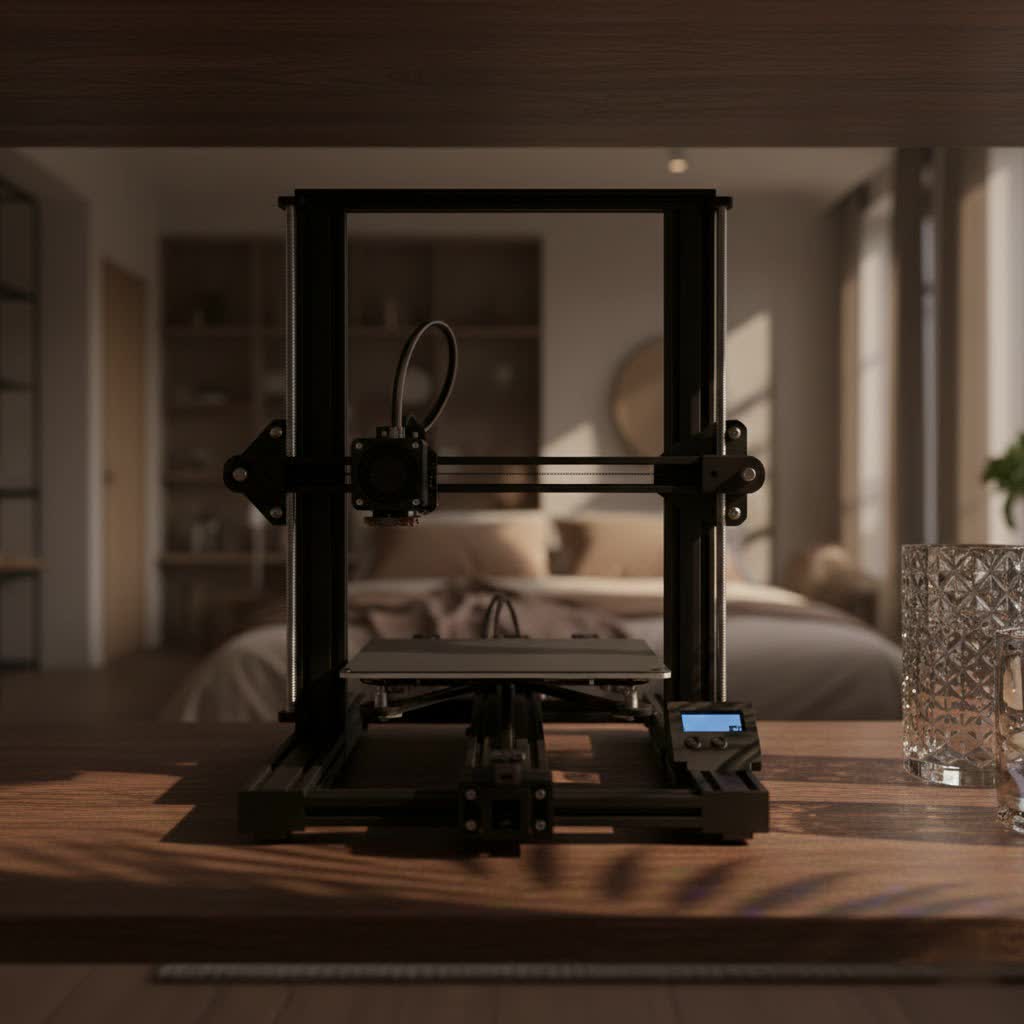
Why Choose a Qidi Tech 3D Printer? The Core Advantages
Qidi Tech printers have carved out a significant niche by focusing on features that truly matter to serious hobbyists, prosumers, and even small businesses. They’ve built a reputation for reliability and for tackling materials that make other printers sweat.
Mastering High-Temperature Filaments
This is where Qidi Tech truly shines. Many of their models are specifically engineered to handle high-temperature filaments like ABS, ASA, Nylon, and Polycarbonate (PC), which are known for their strength and durability but can be notoriously difficult to print without the right environment. Qidi achieves this through a combination of:
- Actively Heated Chambers: Many Qidi printers feature independent heated build chambers that can reach temperatures up to 65°C. This controlled environment is crucial for preventing warping and improving layer adhesion, especially with materials like ABS and ASA. Think of it like baking a delicate cake – you need consistent heat throughout.
- High-Temperature Hotends: With hotends capable of reaching up to 370°C, Qidi printers can melt even the most demanding engineering plastics, including PPS-CF, PAHT-CF, and even PEEK on some advanced models. This versatility opens doors for creating functional prototypes and end-use parts that stand up to real-world stress.
- Heated Build Plates: Their robust aluminum build plates can typically reach 120°C, ensuring excellent first-layer adhesion across a wide range of materials.
|
Our Picks for the Best 3D Printer in 2026
As an Amazon Associate I earn from qualifying purchases.
|
||
| Num | Product | Action |
|---|---|---|
| 1 | Creality Ender 3 V3 SE 3D Printer, 250mm/s Faster Print Speed CR Touch Auto Leveling Sprite Direct Extruder Dual Z-Axis Auto Filament Loading Ender 3 Upgrade 3D Printer Print Size 8.66x8.66x9.84 inch |

|
| 2 | FLASHFORGE Adventurer 5M Pro 3D Printer with 1 Click Auto Printing System, 600mm/s High-Speed, Quick Detachable 280°C Nozzle, Core XY All-Metal Structure, Multi-Functional 220x220x220mm 3D Printer |
|
| 3 | Creality K2 SE Combo 3D Printer, Support Multicolor Printing with CFS, 500mm/s High-Speed, Smart Auto Leveling, Solid Metal Build Frame, Fully Assembled, Next-Gen Extruder, 220×215×245 mm Build Volume |
|
| 4 | Anycubic Multicolor 3D Printer, Kobra S1 Combo Core XY Stable Structure with Sealed Printing High Precision 600mm/s Fast Speed Auto Calibration Ideal for Precision and Efficiency 9.8\"x9.8\"x9.8\" |
|
| 5 | FLASHFORGE AD5X Multi-Color 3D Printer with IFS, 600mm/s High Speed, 300°C High Temp Direct Extruder, Fully Auto Leveling, All Metal CoreXY,4-Color Printing for PLA-CF,PETG-CF, 220x220x220mm |
|
| 6 | FLASHFORGE AD5M Pro 3D Printer 600mm/s High Speed & Precision, Full-Auto Calibration with 0.4&0.6mm Nozzle Bundle, CoreXY Structure & Auxiliary Chamber Cooling, ≤50 dB Quite Printing Camera Printers |
|
| 7 | FLASHFORGE AD5X Multi-Color 3D Printer 4 Colors with IFS, Fully Auto Leveling FDM 3D Printer with Max 600mm/s High Speed Printing and Max 300°C Nozzle, Large Printing Size 220 * 220 * 220mm |
|
| 8 | FLASHFORGE AD5X Multi-Color 3D Printer, CoreXY 600mm/s High-Speed, 1-Click Auto Leveling, 300°C Direct Drive Extruder, 220x220x220mm Build Volume, Ideal for Precision and Efficiency |
|
| 9 | FLASHFORGE Adventurer 5M 3D Printer with Fully Auto Leveling, Max 600mm/s High Speed Printing, 280°C Direct Extruder with 3S Detachable Nozzle, CoreXY All Metal Structure, Print Size 220x220x220mm |
|
| 10 | FLASHFORGE AD5M 3D Printer Fully Auto Calibration Print with 1-Click Max 600mm/s Speed, All-Metal CoreXY Structure Precise Printing, Easy-Maintenance Quick-Swap Nozzle, Print Size 220x220x220mm |
|
Blazing Fast Printing Speeds
Time is money, and Qidi Tech understands this. Many of their recent models boast impressive print speeds, often hitting up to 600mm/s with high accelerations (up to 20,000mm/s²). This means you can turn day-long prints into mere hours, significantly accelerating your workflow whether you’re prototyping rapidly or running a small print farm. It’s like having a sports car for your workshop – fast, efficient, and exhilarating.
Robust Build Quality and Enclosed Designs
From their sturdy, all-metal frames to their well-insulated enclosures, Qidi printers are built like tanks. This robust construction contributes to stable, precise prints and ensures the longevity of the machine. The fully enclosed designs aren’t just for aesthetics; they are fundamental for maintaining consistent temperatures for advanced materials and for containing any fumes when printing with certain plastics, making for a safer and more predictable printing experience. Many come almost fully assembled, reducing setup headaches and getting you printing faster.
Spotlight on Popular Qidi Tech Models: Finding Your Perfect Match
Qidi Tech offers a diverse lineup, each with its own strengths. Let’s look at some popular options and who they’re best suited for.
Qidi Tech Q1 Pro: The Beginner’s Powerhouse
If you’re new to the world of advanced 3D printing but don’t want to compromise on capabilities, the Q1 Pro is a fantastic entry point. It’s often praised for its ease of use right out of the box, thanks to features like:
- Full-Auto Calibration: This printer minimizes guesswork by automatically setting its Z-height, performing input shaping, and PID tuning. You just hit a button, and it handles the complex setup.
- Actively Heated Chamber: Even as a more budget-friendly option in the Qidi lineup, it includes an active chamber heater (up to 60°C), making it excellent for printing ABS, ASA, and Nylon without constant warping worries.
- Klipper Firmware: Running on stock Klipper firmware, the Q1 Pro offers a smooth, responsive interface and the potential for advanced customization for those who want to tinker.
- Compact Yet Capable: With a build volume of 245 x 245 x 240 mm, it’s perfect for home offices or smaller workshops where space is a consideration but you still need to print a wide range of materials at high speeds.
Qidi Tech Plus 4: For Serious Engineering Materials
The Plus 4 takes high-temperature printing to the next level. It’s designed as a high-performance workhorse, ideal for those who frequently work with demanding engineering-grade filaments.
- Extreme Hotend Temperature: With a maximum nozzle temperature of 370°C, the Plus 4 can effortlessly print with materials like PPS and carbon fiber-reinforced nylon, which require exceptionally high temperatures.
- Generous Build Volume: A substantial 305 x 305 x 280 mm build volume allows for larger functional parts, expanding your project possibilities.
- High-Speed and Reliability: It combines impressive print speeds (600+ mm/s) with demonstrated reliability, often running for hundreds of hours with minimal issues. Its robust design and effective heat management make it a dependable choice for continuous operation.
Qidi Tech X-Max 3: Go Big or Go Home
For those who need to print large objects in a single piece, the X-Max 3 is a compelling option. Its sheer build volume is its main selling point, combined with Qidi’s signature high-temp capabilities.
- Massive Build Area: Boasting a 325 x 325 x 315 mm print area, this printer is a dream come true for large-scale projects like cosplay parts, helmets, or industrial prototypes that would otherwise require slicing and gluing.
- Enclosed for Large, Hot Prints: Its fully enclosed design makes it well-suited for printing large parts with temperature-sensitive materials, ensuring consistent quality even on extensive prints.
- Solid Print Quality: Despite its size, the X-Max 3 delivers good detail and surface finish, often impressing with its ability to scale up models without losing intricate features.
Qidi Tech Q2 Combo: Innovation with a Caveat
The Q2 is an impressive mid-sized machine, particularly for high-temperature single-color prints. However, its optional multi-material QIDI Box has faced some challenges.
- Excellent Single-Color High-Temp Performance: The Q2 itself is a stellar printer for handling advanced materials, featuring a 370°C nozzle, 120°C heated bed, and an actively heated chamber (up to 65°C). It truly shines with ABS, ASA, PC, and various nylons.
- Multi-Material Ambitions: The “QIDI Box” is designed for multi-material printing, but early versions reportedly struggled with filament friction, making reliable color swaps difficult. While Qidi is addressing these issues, it’s worth considering the standalone Q2 if multi-material is not a critical need, or verifying improvements if the combo appeals to you.
Beyond the Hardware: Software and User Experience
A great 3D printer isn’t just about the machine itself; the ecosystem around it plays a huge role.
Intuitive Slicers and Firmware
Qidi Tech provides its own “QIDI Slicer” software, which is designed to be user-friendly and optimized for their machines. What’s more, most Qidi printers offer broad compatibility with popular third-party slicers like PrusaSlicer, Orca Slicer, Cura, and Simplify3D. This flexibility means you can stick with Qidi’s optimized profiles or fine-tune settings with your preferred software. The embrace of Klipper firmware in newer models like the Q1 Pro also speaks to Qidi’s commitment to performance and user control.
Connectivity and Remote Monitoring
Many Qidi printers come equipped with various connectivity options, including USB, Wi-Fi, and Ethernet. This allows for convenient file transfer and often enables remote monitoring. For instance, the Q1 Pro includes a 1080P camera and a mobile application, letting you keep an eye on your prints from anywhere, a fantastic feature for long printing jobs.
Important Considerations Before You Buy
While Qidi Tech printers offer a lot, it’s always wise to consider all angles before making a decision.
Addressing Common Concerns
No printer is perfect, and Qidi Tech, like any brand, has had its share of community discussions. Some early models had a more utilitarian aesthetic, which they’ve greatly improved upon with sleek designs like the Q1 Pro. There have also been user reports regarding safety warnings on certain internal components for earlier batches of specific models, though Qidi has stated they are implementing improvements and offering solutions. It’s always a good practice to thoroughly review safety guidelines and user manuals, especially with actively heated chambers and hot components. Always ensure your workspace is well-ventilated, particularly when printing with certain high-temp filaments.
What to Look For: Tips for Choosing
When selecting a Qidi 3D printer, ask yourself:
- What materials will I print most often? If high-temp engineering filaments are your priority, models like the Plus 4 or Q1 Pro are strong contenders.
- What’s my maximum print size requirement? For large projects, the X-Max 3 is hard to beat.
- How experienced am I? The Q1 Pro offers a very beginner-friendly experience while still being highly capable.
- What’s my budget? Qidi offers excellent value across different price points, but features scale with cost.
The Future of 3D Printing with Qidi Tech
Qidi Tech consistently demonstrates a forward-thinking approach. Their integration of Klipper, continuous development in high-temperature capabilities, and attention to user experience indicate a brand that’s committed to the evolving landscape of 3D printing. The industry moves fast, and Qidi Tech seems determined to lead the charge, especially in making advanced material printing more accessible.
Conclusion
Choosing a Qidi 3D printer means investing in a machine designed for serious performance and versatility, particularly if you’re keen on exploring the robust world of engineering-grade filaments. From their impressive hotends and heated chambers to their high-speed capabilities and user-friendly features, Qidi Tech printers empower creators to tackle complex projects with confidence. They truly represent a blend of professional-grade features made accessible to a broader audience.
So, if you’re ready to move beyond basic plastics and push the boundaries of what you can create, a Qidi Tech printer might just be the perfect addition to your workshop. Dive in, experiment with new materials, and share your incredible prints with us at WMTSV.com – we’d love to see what you create!
Frequently Asked Questions
Q1: What types of filaments can Qidi Tech 3D printers handle?
A1: Qidi Tech printers are renowned for their ability to print a wide range of filaments, including standard PLA and PETG, but truly excel with challenging engineering-grade materials like ABS, ASA, Nylon, Polycarbonate (PC), and even advanced composites such as PAHT-CF and PPS, thanks to their high-temperature capabilities.
Q2: Are Qidi Tech 3D printers good for beginners?
A2: While some Qidi models offer advanced features, printers like the Qidi Tech Q1 Pro are designed to be very beginner-friendly. They feature auto-calibration and intuitive interfaces, making it easier for new users to achieve successful prints, especially with demanding materials.
Q3: What makes Qidi Tech printers suitable for high-temperature materials?
A3: Qidi Tech printers are equipped with actively heated build chambers (up to 65°C), high-temperature hotends (up to 370°C), and robust heated beds (up to 120°C). These features create a stable, warm environment crucial for preventing warping and improving layer adhesion with engineering filaments.
Q4: Can I use third-party slicers with Qidi Tech 3D printers?
A4: Yes, while Qidi Tech provides its own optimized “QIDI Slicer,” most of their printers are compatible with popular third-party slicing software such as PrusaSlicer, Orca Slicer, Cura, and Simplify3D, offering users flexibility in their workflow.
Q5: What is the typical print speed of a Qidi Tech 3D printer?
A5: Many modern Qidi Tech 3D printers boast impressive print speeds, often reaching up to 600mm/s with high accelerations. This focus on speed significantly reduces print times, making them highly efficient for both rapid prototyping and production runs.
Q6: Do Qidi Tech printers have remote monitoring capabilities?
A6: Yes, several Qidi Tech models, such as the Q1 Pro, include a 1080P camera and support mobile applications, allowing users to monitor their ongoing prints remotely via Wi-Fi or Ethernet connectivity.
