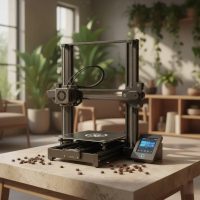
Ever wondered if you could blend the ancient strength and beauty of bamboo with cutting-edge 3D printing? You’re in for a treat! As a seasoned 3D printing expert with over 15 years in the field, and a content creator for WMTSV.com, I’ve seen countless materials emerge, but bamboo stands out as a genuinely exciting option for those looking to add a touch of nature and sustainability to their creations. Forget just printing plastic; we’re talking about bringing the organic, tactile feel of the forest directly to your desktop.
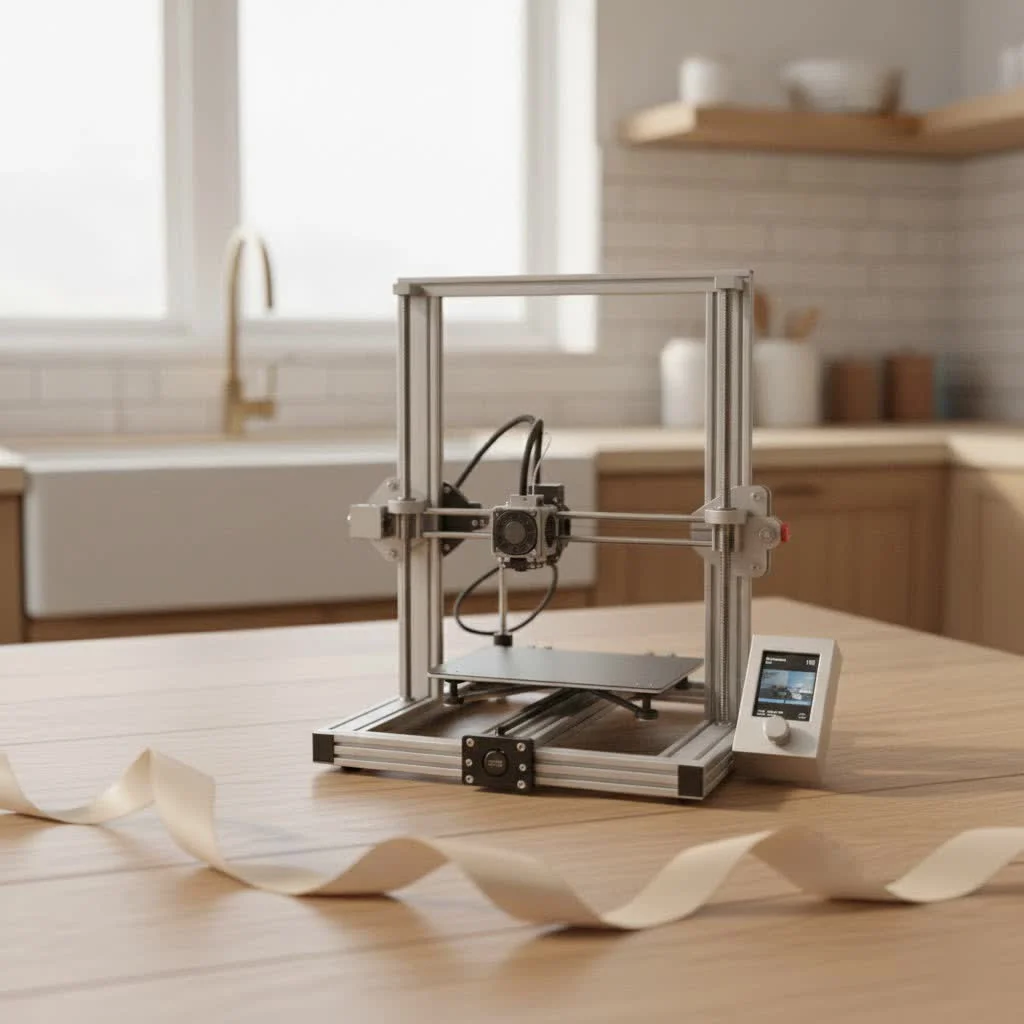
This isn’t about a brand called “Bambu Lab” – while they make fantastic printers, our focus today is on the incredible natural material: bamboo. We’re diving deep into how bamboo is revolutionizing 3D printing, from its role in eco-friendly filaments to its potential as a structural element for your printer setup. Get ready to explore a greener, more beautiful side of additive manufacturing. For complete 3d printing library on this site.
What is Bamboo 3D Printer Filament?
When we talk about bamboo 3D printer filament, we’re typically referring to a composite material. Think of it as a smart blend where fine bamboo fibers or particles are mixed with a base polymer, most commonly PLA (Polylactic Acid). This fusion creates a filament that retains the printability of PLA but gains the unique characteristics of bamboo. For instance, some popular variants, like “BambooFill,” consist of approximately 80% biodegradable PLA and 20% recycled bamboo fibers, offering a light, sturdy, bamboo-like feel to your finished prints. This innovative material isn’t just about reducing plastic; it’s about enhancing your prints with a distinct natural charm.
Why Choose Bamboo for Your 3D Prints?
Choosing bamboo for your 3D printing projects isn’t just a trend; it’s a statement. It’s about leveraging the best of both worlds: advanced manufacturing and natural resources.
Embracing Sustainability
In our quest for more responsible manufacturing, bamboo filament emerges as a champion. Bamboo is one of the fastest-growing plants on Earth, making it an incredibly renewable resource. By integrating recycled bamboo fibers into PLA, manufacturers reduce the overall polymer content, diminishing our reliance on petroleum-based plastics. This commitment to bio-based and biodegradable components aligns perfectly with a more eco-conscious approach to 3D printing, helping you create beautiful objects with a smaller environmental footprint.
Unleashing Unique Aesthetics
Let’s be honest, sometimes plastic prints can look a bit… plastic-y. Bamboo filament changes that game entirely. It imparts a beautiful, organic, and often subtle wood-like texture to your prints. Imagine models with a natural, matte finish, complete with visible fiber details that mimic real bamboo. The aesthetic variations you can achieve are truly unique, giving your designs a handcrafted, earthy appeal that standard plastics just can’t replicate. It’s perfect for decorative pieces, architectural models, or anything that benefits from an authentic, natural look.
Beyond the Look: Practical Benefits
|
Our Picks for the Best 3D Printer in 2026
As an Amazon Associate I earn from qualifying purchases.
|
||
| Num | Product | Action |
|---|---|---|
| 1 | FLASHFORGE Adventurer 5M 3D Printer with Fully Auto Leveling, Max 600mm/s High Speed Printing, 280°C Direct Extruder with 3S Detachable Nozzle, CoreXY All Metal Structure, Print Size 220x220x220mm |

|
| 2 | Creality Ender 3 V3 SE 3D Printer, 250mm/s Faster Print Speed CR Touch Auto Leveling Sprite Direct Extruder Dual Z-Axis Auto Filament Loading Ender 3 Upgrade 3D Printer Print Size 8.66x8.66x9.84 inch |
|
| 3 | FLASHFORGE AD5M 3D Printer Fully Auto Calibration Print with 1-Click Max 600mm/s Speed, All-Metal CoreXY Structure Precise Printing, Easy-Maintenance Quick-Swap Nozzle, Print Size 220x220x220mm |
|
| 4 | FLASHFORGE AD5X Multi-Color 3D Printer 4 Colors with IFS, Fully Auto Leveling FDM 3D Printer with Max 600mm/s High Speed Printing and Max 300°C Nozzle, Large Printing Size 220 * 220 * 220mm |
|
| 5 | FLASHFORGE AD5M Pro 3D Printer 600mm/s High Speed & Precision, Full-Auto Calibration with 0.4&0.6mm Nozzle Bundle, CoreXY Structure & Auxiliary Chamber Cooling, ≤50 dB Quite Printing Camera Printers |
|
| 6 | FLASHFORGE AD5X Multi-Color 3D Printer, CoreXY 600mm/s High-Speed, 1-Click Auto Leveling, 300°C Direct Drive Extruder, 220x220x220mm Build Volume, Ideal for Precision and Efficiency |
|
| 7 | FLASHFORGE Adventurer 5M Pro 3D Printer with 1 Click Auto Printing System, 600mm/s High-Speed, Quick Detachable 280°C Nozzle, Core XY All-Metal Structure, Multi-Functional 220x220x220mm 3D Printer |
|
| 8 | Anycubic Multicolor 3D Printer, Kobra S1 Combo Core XY Stable Structure with Sealed Printing High Precision 600mm/s Fast Speed Auto Calibration Ideal for Precision and Efficiency 9.8\"x9.8\"x9.8\" |
|
| 9 | FLASHFORGE AD5X Multi-Color 3D Printer with IFS, 600mm/s High Speed, 300°C High Temp Direct Extruder, Fully Auto Leveling, All Metal CoreXY,4-Color Printing for PLA-CF,PETG-CF, 220x220x220mm |
|
| 10 | Creality K2 SE Combo 3D Printer, Support Multicolor Printing with CFS, 500mm/s High-Speed, Smart Auto Leveling, Solid Metal Build Frame, Fully Assembled, Next-Gen Extruder, 220×215×245 mm Build Volume |
|
The advantages of bamboo filament aren’t just skin deep. Prints made with bamboo composites often feel surprisingly lightweight yet exhibit good rigidity. The bamboo fibers can contribute to the structural integrity, offering a balance between strength and a pleasant tactile experience. This combination of properties makes bamboo filament versatile for a wide array of applications where both form and a degree of function are important.
Mastering the Art of Printing with Bamboo Filament
Printing with bamboo filament is incredibly rewarding, but like any specialty material, it has its quirks. With a bit of know-how, you’ll be producing stunning, natural-looking prints in no time.
Printer Compatibility and Settings
Good news! Most FDM (Fused Deposition Modeling) 3D printers that can handle standard PLA will likely be compatible with bamboo-filled filaments. However, because you’re dealing with a composite material containing natural fibers, a few adjustments are usually beneficial. Think of it as fine-tuning your instrument to play a beautiful new melody.
Optimal Print Settings
The key to success often lies in your print settings.
- Nozzle Temperature: Start with your standard PLA temperature settings, typically between 190°C and 220°C, and adjust slightly to find the sweet spot for your specific filament brand.
- Bed Temperature: A heated bed is usually not strictly necessary for bamboo PLA, but if your printer has one, keeping it around 50°C to 60°C can help with adhesion and prevent warping.
- Nozzle Size: This is a crucial one! Due to the fibrous nature of bamboo particles, using a wider nozzle (0.4mm or larger is common, but 0.6mm or even 0.8mm can reduce clogging) is highly recommended. This allows the fibers to pass through smoothly without getting stuck.
- Retraction: Experiment with retraction settings to minimize stringing, as the fibers can sometimes exacerbate this.
- Print Speed: While many filaments can be pushed for speed, a slightly slower print speed might yield better results and fewer clogs with bamboo-filled filaments, allowing the material to extrude consistently.
Common Challenges and Solutions
Even for an expert, new materials can present unique challenges.
- Clogging: This is the most common issue. As mentioned, a wider nozzle is your best friend. Also, ensure your filament is dry, as moisture can cause bubbling and contribute to clogs.
- Stringing: Fine fibers can sometimes lead to more stringing. Adjusting retraction settings and potentially increasing print temperature slightly (if it doesn’t cause oozing) can help.
- Layer Adhesion: If you notice layers aren’t bonding well, a small increase in print temperature or a decrease in print speed can often improve adhesion.
Bamboo Beyond Filament: Enclosures and Accessories
The versatility of bamboo extends far beyond just filament. As an incredible natural resource, bamboo can also play a role in the physical setup of your 3D printing workshop. Imagine constructing a custom 3D printer enclosure using bamboo plywood or solid bamboo panels. This approach not only provides a stable, aesthetically pleasing housing for your printer but also reinforces a commitment to sustainable practices in your making environment.
Such enclosures can offer practical benefits like improved temperature stability for printing engineering materials, sound dampening, and protection from dust. For example, a DIY enclosure built with materials like birch plywood (similar structural approach to bamboo plywood) can offer excellent stability and a clean look. Utilizing bamboo in this way blends functionality with eco-friendliness, enhancing your workspace with natural beauty.
The Future of Bamboo in Additive Manufacturing
The journey of bamboo in 3D printing is still unfolding, and the future looks incredibly promising. As material science advances, we anticipate even more sophisticated bamboo composites and new applications for this versatile plant. From creating fully biodegradable prototypes to crafting unique consumer goods with unparalleled natural textures, bamboo is set to become a cornerstone of sustainable additive manufacturing.
“Bamboo-infused filaments are not just a niche; they represent a fundamental shift towards embracing nature’s materials in our technological processes,” says Dr. Elena Petrova, a leading materials scientist specializing in bio-composites. “The tactile experience and reduced environmental impact offer a compelling vision for the next generation of 3D printing.”
Frequently Asked Questions (FAQ)
Is bamboo filament truly eco-friendly?
Yes, bamboo filament is generally considered more eco-friendly than many traditional plastics. It typically uses bamboo fibers from a highly renewable resource and is often combined with biodegradable PLA, reducing overall plastic content and environmental impact.
What kind of 3D printer do I need for bamboo filament?
Most FDM 3D printers capable of printing PLA can handle bamboo filament. However, to minimize clogging, it’s highly recommended to use a nozzle with a diameter of 0.4mm or larger, with 0.6mm often being ideal.
Are there different types of bamboo filament?
Yes, primarily, bamboo filament will differ in the percentage and fineness of bamboo particles used, as well as the base polymer (most commonly PLA). Some variations might also include other natural fibers or colorants.
Can I post-process bamboo prints?
Absolutely! Bamboo prints can often be sanded, painted, or stained much like real wood, allowing you to enhance their natural aesthetic or achieve specific finishes. Just be gentle during sanding due to the fibrous content.
What are typical applications for bamboo filament?
Bamboo filament is excellent for decorative items, artistic sculptures, architectural models, prototypes where a natural look is desired, and any project that benefits from a unique, organic feel and sustainable material choice.
Embrace the Green Revolution in 3D Printing
As we continue to push the boundaries of 3D printing, materials like bamboo filament offer an exciting pathway to a more sustainable and aesthetically rich future. It’s not just about what you print, but what you print with. By integrating bamboo into your workflow, whether as a unique filament for your designs or as a sustainable material for your workshop setup, you’re making a conscious choice to innovate responsibly.
So, go ahead, give bamboo 3D printing a try! Experiment with settings, explore its natural beauty, and share your incredible creations with the WMTSV community. We’re always thrilled to see how you’re shaping the future of additive manufacturing, one sustainable layer at a time. Happy printing!
Get our weekly buyer guide
Practical specs, not advice. Unsubscribe anytime.