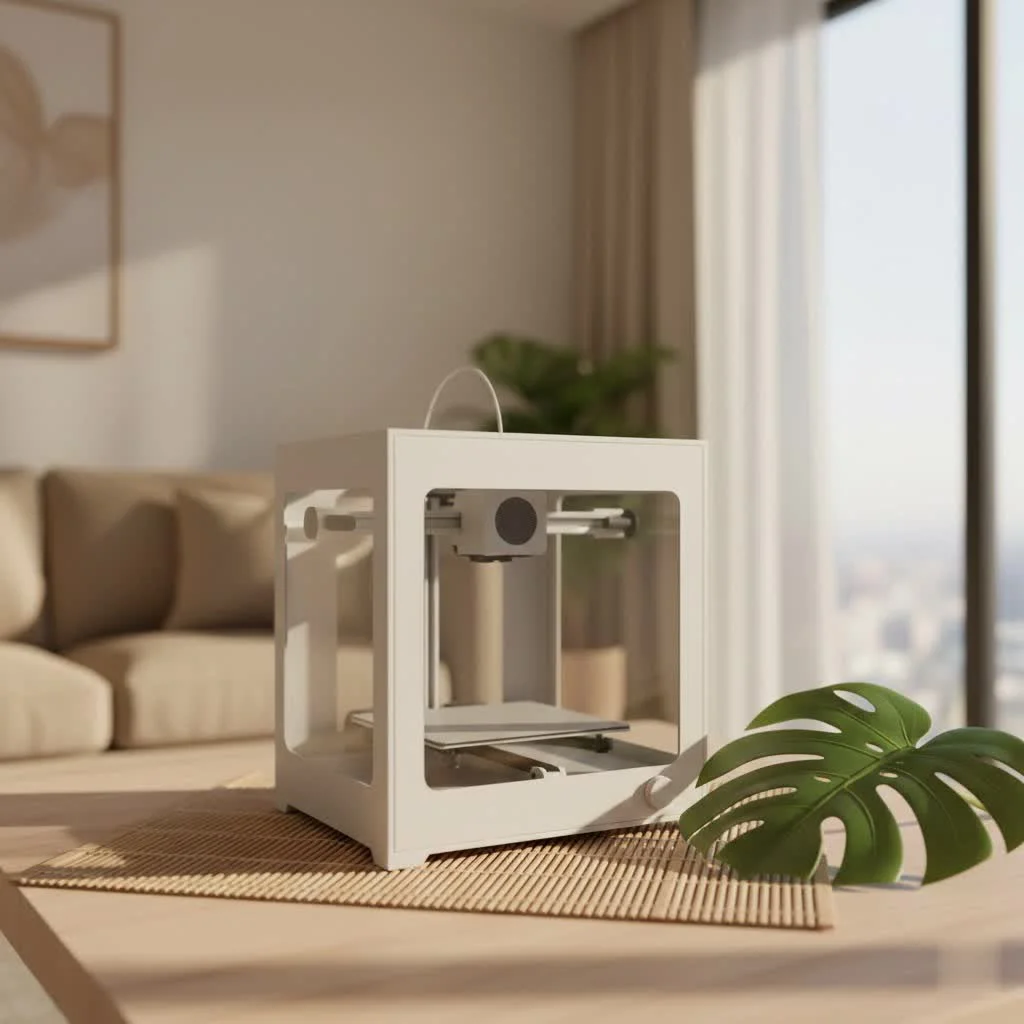
Choosing a budget 3D printer in 2025 is easier than ever, with many capable models available for under $500 that offer impressive features like automatic bed leveling, direct drive extrusion, and high print speeds. For most beginners, an FDM (Fused Deposition Modeling) printer is recommended due to its versatility and ease of use, making it ideal for functional parts and prototypes without significant financial commitment.
At WMTSV, we empower you with the knowledge to make smart, informed decisions. With over 15 years in 3D printing, I’ve witnessed the evolution from expensive, clunky machines to today’s incredibly capable and affordable options. This guide cuts through the jargon, highlights the best value machines, and gives you the confidence to pick a budget 3D printer that genuinely fits your needs and sparks your creativity.
Why Go for a Budget 3D Printer? The Upsides of Affordable Innovation
You might wonder, “Can a cheap 3D printer really deliver?” The answer, unequivocally, is yes! Modern advancements have democratized 3D printing, packing impressive features into surprisingly economical packages.
Accessibility and Cost-Effectiveness
The most obvious perk of a budget 3D printer is its affordability. What once cost thousands can now be yours for a few hundred dollars, sometimes even less than $200. This low barrier to entry means you can dive into the hobby without a significant financial commitment, making it ideal for students, hobbyists, or anyone curious to experiment. It’s a fantastic way to learn the ropes of additive manufacturing without the stress of damaging a high-end machine.
Customization and Open-Source Potential
Many affordable 3D printers, especially FDM models, boast open-source designs. This means a vibrant community of users constantly shares modifications, upgrades, and troubleshooting tips. If you love to tinker, a budget 3D printer can be a perfect blank canvas for customization. From modifying hardware to flashing custom firmware, the possibilities for personalization and performance enhancement are vast, and replacement parts are often readily available and affordable.
Impressive Performance for the Price Tag
Don’t mistake “budget” for “compromise” on quality. The market in 2025 is filled with budget 3D printer models that offer features once reserved for professional-grade machines. We’re talking about reliable print quality, decent speeds, and user-friendly functionalities that make the printing process smoother and more enjoyable. These machines can effortlessly handle common filaments like PLA and PETG, producing everything from functional prototypes to decorative items.
Decoding the Specs: What to Look For in Your Budget 3D Printer
Choosing your first budget 3D printer can feel a bit like navigating a maze. With so many options, how do you know what truly matters? Let’s break down the essential features to help you make an informed decision.
FDM vs. Resin: Which Technology is Right for You?
|
Our Picks for the Best 3D Printer in 2026
As an Amazon Associate I earn from qualifying purchases.
|
||
| Num | Product | Action |
|---|---|---|
| 1 | FLASHFORGE Adventurer 5M Pro 3D Printer with 1 Click Auto Printing System, 600mm/s High-Speed, Quick Detachable 280°C Nozzle, Core XY All-Metal Structure, Multi-Functional 220x220x220mm 3D Printer |

|
| 2 | Creality K2 SE Combo 3D Printer, Support Multicolor Printing with CFS, 500mm/s High-Speed, Smart Auto Leveling, Solid Metal Build Frame, Fully Assembled, Next-Gen Extruder, 220×215×245 mm Build Volume |
|
| 3 | Anycubic Multicolor 3D Printer, Kobra S1 Combo Core XY Stable Structure with Sealed Printing High Precision 600mm/s Fast Speed Auto Calibration Ideal for Precision and Efficiency 9.8\"x9.8\"x9.8\" |
|
| 4 | Creality Ender 3 V3 SE 3D Printer, 250mm/s Faster Print Speed CR Touch Auto Leveling Sprite Direct Extruder Dual Z-Axis Auto Filament Loading Ender 3 Upgrade 3D Printer Print Size 8.66x8.66x9.84 inch |
|
| 5 | FLASHFORGE AD5M Pro 3D Printer 600mm/s High Speed & Precision, Full-Auto Calibration with 0.4&0.6mm Nozzle Bundle, CoreXY Structure & Auxiliary Chamber Cooling, ≤50 dB Quite Printing Camera Printers |
|
| 6 | FLASHFORGE AD5X Multi-Color 3D Printer, CoreXY 600mm/s High-Speed, 1-Click Auto Leveling, 300°C Direct Drive Extruder, 220x220x220mm Build Volume, Ideal for Precision and Efficiency |
|
| 7 | FLASHFORGE AD5X Multi-Color 3D Printer 4 Colors with IFS, Fully Auto Leveling FDM 3D Printer with Max 600mm/s High Speed Printing and Max 300°C Nozzle, Large Printing Size 220 * 220 * 220mm |
|
| 8 | FLASHFORGE AD5X Multi-Color 3D Printer with IFS, 600mm/s High Speed, 300°C High Temp Direct Extruder, Fully Auto Leveling, All Metal CoreXY,4-Color Printing for PLA-CF,PETG-CF, 220x220x220mm |
|
| 9 | FLASHFORGE Adventurer 5M 3D Printer with Fully Auto Leveling, Max 600mm/s High Speed Printing, 280°C Direct Extruder with 3S Detachable Nozzle, CoreXY All Metal Structure, Print Size 220x220x220mm |
|
| 10 | FLASHFORGE AD5M 3D Printer Fully Auto Calibration Print with 1-Click Max 600mm/s Speed, All-Metal CoreXY Structure Precise Printing, Easy-Maintenance Quick-Swap Nozzle, Print Size 220x220x220mm |
|
The first big decision is the printing technology: FDM or Resin (SLA/DLP).
- FDM (Fused Deposition Modeling) printers use spools of thermoplastic filament, heating and extruding it layer by layer. They are generally easier to use, have fewer safety concerns (no noxious resins), and are more versatile for a wide range of applications like functional parts, prototypes, and larger models. They are often the best starting point for most beginners.
- Resin (SLA/DLP) printers use UV light to cure liquid resin. They offer incredibly fine detail and smooth surface finishes, making them ideal for intricate miniatures, jewelry, or highly detailed artistic models. However, they require careful handling of resins, proper ventilation, and post-processing steps like washing and curing, which can add complexity for newcomers.
For most people stepping into 3D printing on a budget, an FDM budget 3D printer is typically the recommended choice due to its simplicity and versatility.
Essential Features That Make a Difference
When evaluating a budget 3D printer, keep an eye out for these key features:
- Automatic Bed Leveling: This is a major upgrade! Manual bed leveling can be tedious and is often a source of frustration for beginners. Features like CR Touch or similar systems automatically calibrate the print bed, ensuring a perfect first layer every time. It significantly reduces the learning curve and boosts your print success rate.
- Direct Drive Extrusion: In a direct drive system, the extruder motor is positioned directly above the hotend. This setup provides better control over filament feeding, making it easier to print with flexible materials like TPU and reducing issues like stringing. Many modern budget 3D printer models now include this feature.
- Build Volume: This refers to the maximum size of an object your printer can create. A common mid-size build volume, around 220x220x250mm, is usually sufficient for most hobby projects. Consider the scale of your intended prints to ensure your chosen printer can accommodate them.
- Print Speed: While not the only metric, faster print speeds (e.g., 200mm/s to 500mm/s) mean less waiting for your creations. Many newer budget 3D printer options leverage advanced motion systems and firmware (like Klipper) to achieve impressive speeds without sacrificing quality.
- Connectivity: Look for options like USB, LAN, or Wi-Fi. Wi-Fi connectivity allows for wireless file transfer and remote monitoring, adding a layer of convenience to your printing workflow.
- User Interface: A clear, intuitive interface, often a color touchscreen, enhances the user experience. Some budget models might still use knob controls, which are functional but less streamlined.
The “Nice-to-Haves”: Enclosures and Multi-Color Capabilities
While not always standard on the lowest-priced models, these features can significantly expand your printing horizons:
- Enclosures: An enclosed print chamber helps maintain a stable temperature around your print. This is crucial when working with temperature-sensitive filaments like ABS or ASA, which are prone to warping in open environments. Enclosures also help reduce noise and contain any fumes.
- Multi-Color Systems: Want to print vibrant, multi-colored objects? Some budget 3D printer models offer multi-color add-ons (like Bambu Lab’s AMS lite or Anycubic’s ACE Pro) that allow you to print with multiple filaments, dramatically enhancing your creative possibilities.
Top Budget 3D Printers in 2025: My Expert Recommendations
As a content creator for WMTSV and someone who’s spent countless hours with these machines, I’m thrilled by the innovation in the budget 3D printer space. Here are a few standout models that offer incredible value and performance in 2025.
Best Overall Value: Sovol SV06 Ace
If you’re looking for a workhorse that punches above its weight, the Sovol SV06 Ace is a fantastic contender. This FDM budget 3D printer offers a compelling package, including Klipper firmware integration right out of the box, which is usually found on much pricier machines, delivering exceptional speed and precision. Its automatic bed leveling, direct drive extruder, and even a built-in camera for remote monitoring make it incredibly user-friendly and feature-rich. “The Sovol SV06 Ace truly redefines what’s possible in the sub-$300 category,” says Dr. Anya Sharma, Lead Innovator at WMTSV Labs. “It’s a shows how far budget 3D printing has come, providing a platform for both beginners and experienced makers to achieve high-quality results without compromise.”
Beginner’s Dream Machine: Creality Ender-3 V3 SE/KE
The Creality Ender-3 series has long been a go-to for beginners, and the V3 SE and KE models continue that legacy with significant improvements. These budget 3D printer models are celebrated for their easy assembly – often getting you printing within 15-20 minutes of unboxing. They feature excellent automatic bed leveling and a direct drive extruder, simplifying the entire printing process. While the V3 SE might lack Wi-Fi, the KE steps it up with connectivity and higher speeds, making both superb entry points for anyone new to the hobby.
Speed Demon on a Budget: Elegoo Centauri Carbon
For those who prioritize speed without breaking the bank, the Elegoo Centauri Carbon is an excellent choice. This CoreXY machine boasts print speeds up to 500mm/s, significantly cutting down print times. What’s more, it comes fully enclosed, which is a rare and highly beneficial feature in a budget 3D printer. The enclosure helps maintain stable print temperatures, making it suitable for a wider range of filaments like ABS and ASA, and also contributes to quieter operation.
Creative Color Printing: Bambu Lab A1 Mini or Anycubic Kobra 3 V2
Want to add a splash of color to your prints? The Bambu Lab A1 Mini, especially when paired with its optional AMS lite multi-color system, offers an almost perfect entry into multi-color FDM printing. It’s fast, quiet, and incredibly easy to use, making multi-color printing accessible for beginners. Alternatively, the Anycubic Kobra 3 V2, with its ACE Pro multimaker unit, also provides robust multi-color capabilities, an improved hotend, and a camera for monitoring, all at a competitive price for a budget 3D printer.
Navigating the Learning Curve: Common Hurdles and Solutions
Even with the best budget 3D printer, you’ll likely encounter a few bumps in the road. Think of it as part of the maker’s journey! Here are some common problems and how to tackle them.
“My Print Won’t Stick!”: First Layer Adhesion Woes
One of the most frequent frustrations is when your first layer doesn’t adhere properly to the build plate. This can lead to prints detaching mid-way or looking messy.
- Solution: Ensure your print bed is perfectly level. Even with auto-leveling, a quick check can help. Adjust your Z-offset, which is the distance between the nozzle and the bed – you want just enough “squish” for the filament to adhere without being too close. Also, ensure your bed temperature is appropriate for your filament and keep your print surface clean; residue can drastically reduce adhesion. Some users find a thin layer of glue stick or hairspray beneficial.
“Spider Webs Everywhere!”: Dealing with Stringing
Stringing, or “oozing,” leaves fine strands of plastic between printed parts, resembling spider webs.
- Solution: This usually indicates improper retraction settings (how the filament pulls back into the nozzle) or too high a nozzle temperature. Experiment with increasing retraction distance and speed in your slicer software. Also, try lowering your nozzle temperature by 5-10°C within the recommended range for your filament. Wet filament can also cause stringing, so ensure your filament is stored in a dry environment.
Other Quirks: Clogged Nozzles and Layer Shifts
- Clogged Nozzles: If no filament is coming out or extrusion is inconsistent, you might have a clogged nozzle. Often, performing a “cold pull” (heating the nozzle and quickly pulling out the filament) or a simple nozzle change can resolve this. Always ensure your filament is clean and free of debris.
- Layer Shifts: If your print looks like it suddenly shifted horizontally, it’s likely a layer shift. This can be caused by the print head bumping into the print, loose belts, or stepper motor issues. Check your belts for tension and ensure nothing is obstructing the print head’s movement.
patience is your best friend in 3D printing. Every failed print is a learning opportunity!
Making Your Decision: A Quick Checklist
Ready to pick your perfect budget 3D printer? Use this quick checklist:
- Budget: How much are you truly comfortable spending? Options range from under $200 to around $500.
- Technology: FDM for versatility and ease of use, Resin for high detail.
- Ease of Use: Prioritize features like automatic bed leveling and easy assembly, especially if you’re a beginner.
- Key Features: Does it have a direct drive extruder, adequate build volume, and decent print speed for your needs?
- Connectivity: Is Wi-Fi important for your workflow?
- Expandability: Do you foresee wanting multi-color printing or an enclosed system down the line?
Conclusion: Your Journey into Affordable 3D Printing Starts Now
The world of 3D printing is incredibly dynamic, offering endless possibilities for creation, innovation, and fun. Thanks to rapid technological advancements, owning a high-performing budget 3D printer is no longer a pipe dream but an accessible reality. You can confidently dive in, knowing that you can achieve fantastic results without emptying your wallet.
Whether you’re crafting unique gifts, prototyping a new invention, or simply enjoying the process of making, a well-chosen budget 3D printer will unlock a whole new dimension of creativity. So, what are you waiting for? Take the plunge, explore the options, and start your incredible 3D printing journey today. Share your experiences and creations with the WMTSV community – we love to see what you’re building!
Frequently Asked Questions
What is the best budget 3D printer for beginners in 2025?
For beginners in 2025, the Creality Ender-3 V3 SE/KE is an excellent choice due to its easy assembly (often within 15-20 minutes) and user-friendly features like automatic bed leveling and a direct drive extruder. These FDM printers simplify the learning curve for new users.
Can a budget 3D printer produce high-quality prints?
Yes, many budget 3D printers in 2025 can produce high-quality prints. Models like the Sovol SV06 Ace offer features previously found only in professional-grade machines, such as Klipper firmware integration and precise automatic bed leveling, delivering exceptional results for under $300.
What are the key features to look for in an affordable 3D printer?
When choosing an affordable 3D printer, prioritize features like automatic bed leveling for consistent first layers, direct drive extrusion for better filament control, and a suitable build volume (e.g., 220x220x250mm) for your projects. Print speed and connectivity options like Wi-Fi are also beneficial.
What is the difference between FDM and Resin 3D printers?
FDM (Fused Deposition Modeling) printers use thermoplastic filament to build objects layer by layer, offering versatility for functional parts and prototypes. Resin (SLA/DLP) printers use UV light to cure liquid resin, providing incredibly fine detail and smooth finishes, ideal for miniatures and jewelry, but require more post-processing.
How can I prevent common 3D printing problems like stringing?
To prevent stringing, which leaves fine plastic strands, adjust your retraction settings in the slicer software by increasing distance and speed. Also, try lowering your nozzle temperature by 5-10u00b0C within the recommended range for your filament. Ensuring your filament is dry also helps reduce stringing.
Are multi-color 3D printers available on a budget?
Yes, multi-color 3D printing is becoming more accessible on a budget. Models like the Bambu Lab A1 Mini with its optional AMS lite system or the Anycubic Kobra 3 V2 with its ACE Pro multimaker unit offer robust multi-color capabilities, allowing users to create vibrant, multi-filament objects.
Get our weekly buyer guide
Practical specs, not advice. Unsubscribe anytime.
I was really hesitant to jump into 3D printing because of the cost, but this guide made me realize how many great options are under $500 now. I ended up getting an FDM printer and it’s been fantastic for prototyping small parts for my electronics projects. The print quality is surprisingly good for the price point, and it was much easier to set up than I expected.
While the guide highlighted some good points about direct drive extrusion, I found that the print speeds on my chosen budget model weren’t quite as fast as I’d hoped. It’s still a decent machine for the price, and the direct drive does help with flexible filaments, but I sometimes wish it could churn out models a bit quicker. Maybe I just need to tweak my settings more.
As a complete beginner, I appreciated the focus on ease of use for FDM printers. I picked one up based on the advice and it’s been a blast. I’ve already printed a bunch of functional parts for around the house. It’s amazing what you can get for a budget 3D printer these days, and it really sparked my creativity like they said.
I’ve been looking for a new printer with automatic bed leveling, and the recommendations here were super helpful. My old machine was a constant battle with manual adjustments. This new one has made a huge difference in my success rate, especially with larger prints. Definitely a worthwhile upgrade for anyone tired of warped first layers.