Welcome to the vibrant, intricate world of 3D printing! At the heart of every successful print lies a crucial component: the 3D printer filament. It’s not just a spool of plastic; it’s the very soul of your creation, dictating everything from its strength and flexibility to its aesthetic appeal and longevity. Understanding 3D printer filament is fundamental for anyone looking to unlock the full potential of their additive manufacturing journey, whether you’re crafting a simple prototype or an advanced functional part.
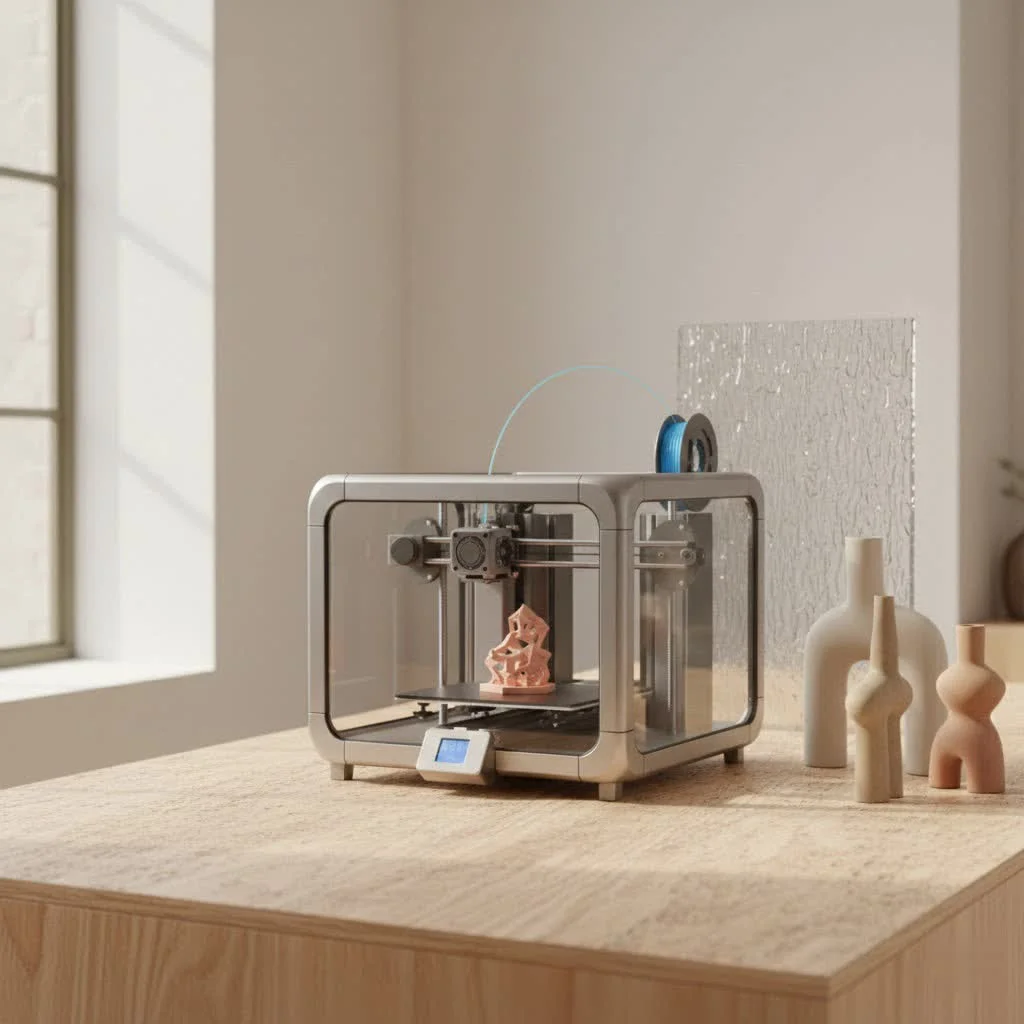
Here at WMTSV.com, we believe that mastering the fundamentals is key to confident and effective 3D printing. This comprehensive guide will navigate you through the diverse landscape of 3D printer filament, helping you choose the right material for your project, understand best practices for its use, and ensure proper storage to avoid common pitfalls. Let’s dive in and transform your 3D printing experience!
The Core of Creation: What Exactly is 3D Printer Filament?
When we talk about 3D printer filament, we’re referring to the thermoplastic material used primarily in Fused Deposition Modeling (FDM) or Fused Filament Fabrication (FFF) 3D printers. Imagine it as a long, thin strand, typically wound onto a spool, that your 3D printer’s extruder heats and pushes through a nozzle. This molten plastic is then precisely laid down, layer by layer, to build your three-dimensional object.
The magic truly begins with the filament’s composition. Different materials offer unique properties, fundamentally influencing the characteristics of your final printed object. Filaments typically come in two standard diameters: 1.75mm and 2.85mm (often called 3mm). The 1.75mm variant is the more common choice, offering compatibility with a wider array of printers and allowing for more precise extrusion control. Always double-check your printer’s specifications to ensure a perfect match.
Navigating the Rainbow: Popular Types of 3D Printer Filament
The variety of 3D printer filaments available today is astonishing, each designed with specific applications and properties in mind. Let’s explore some of the most popular types you’ll encounter and what makes them unique.
The Beginner’s Best Friend: PLA (Polylactic Acid)
If you’re just starting your 3D printing adventure, PLA is likely where you’ll begin. Derived from renewable resources like cornstarch, it’s known for its user-friendliness and eco-friendlier nature.
- Pros: Incredibly easy to print with minimal warping, doesn’t usually require a heated bed, produces low odors, and offers a vast spectrum of colors and finishes (including wood and metal-filled variants). It excels at reproducing fine details and boasts excellent layer adhesion.
- Cons: It has lower heat resistance, meaning parts can deform in hot environments, and tends to be more brittle compared to other filaments. Not ideal for outdoor use due to UV sensitivity.
- Best for: Prototyping, architectural models, educational projects, decorative items, and general everyday prints.
The Workhorse: ABS (Acrylonitrile Butadiene Styrene)
|
Our Picks for the Best 3D Printer in 2026
As an Amazon Associate I earn from qualifying purchases.
|
||
| Num | Product | Action |
|---|---|---|
| 1 | FLASHFORGE AD5M Pro 3D Printer 600mm/s High Speed & Precision, Full-Auto Calibration with 0.4&0.6mm Nozzle Bundle, CoreXY Structure & Auxiliary Chamber Cooling, ≤50 dB Quite Printing Camera Printers |

|
| 2 | FLASHFORGE AD5X Multi-Color 3D Printer, CoreXY 600mm/s High-Speed, 1-Click Auto Leveling, 300°C Direct Drive Extruder, 220x220x220mm Build Volume, Ideal for Precision and Efficiency |
|
| 3 | FLASHFORGE AD5X Multi-Color 3D Printer 4 Colors with IFS, Fully Auto Leveling FDM 3D Printer with Max 600mm/s High Speed Printing and Max 300°C Nozzle, Large Printing Size 220 * 220 * 220mm |
|
| 4 | FLASHFORGE AD5X Multi-Color 3D Printer with IFS, 600mm/s High Speed, 300°C High Temp Direct Extruder, Fully Auto Leveling, All Metal CoreXY,4-Color Printing for PLA-CF,PETG-CF, 220x220x220mm |
|
| 5 | FLASHFORGE Adventurer 5M Pro 3D Printer with 1 Click Auto Printing System, 600mm/s High-Speed, Quick Detachable 280°C Nozzle, Core XY All-Metal Structure, Multi-Functional 220x220x220mm 3D Printer |
|
| 6 | Creality Ender 3 V3 SE 3D Printer, 250mm/s Faster Print Speed CR Touch Auto Leveling Sprite Direct Extruder Dual Z-Axis Auto Filament Loading Ender 3 Upgrade 3D Printer Print Size 8.66x8.66x9.84 inch |
|
| 7 | FLASHFORGE AD5M 3D Printer Fully Auto Calibration Print with 1-Click Max 600mm/s Speed, All-Metal CoreXY Structure Precise Printing, Easy-Maintenance Quick-Swap Nozzle, Print Size 220x220x220mm |
|
| 8 | Anycubic Multicolor 3D Printer, Kobra S1 Combo Core XY Stable Structure with Sealed Printing High Precision 600mm/s Fast Speed Auto Calibration Ideal for Precision and Efficiency 9.8\"x9.8\"x9.8\" |
|
| 9 | FLASHFORGE Adventurer 5M 3D Printer with Fully Auto Leveling, Max 600mm/s High Speed Printing, 280°C Direct Extruder with 3S Detachable Nozzle, CoreXY All Metal Structure, Print Size 220x220x220mm |
|
| 10 | Creality K2 SE Combo 3D Printer, Support Multicolor Printing with CFS, 500mm/s High-Speed, Smart Auto Leveling, Solid Metal Build Frame, Fully Assembled, Next-Gen Extruder, 220×215×245 mm Build Volume |
|
ABS is a classic engineering plastic, renowned for its mechanical strength and durability. If you need parts that can take a beating, ABS is a strong contender.
- Pros: Highly durable, impact-resistant, and boasts good heat resistance. It’s often used for functional parts that need to withstand stress.
- Cons: Prone to warping during printing, requires higher print temperatures (220-250°C) and a heated bed (95-110°C), and can emit noticeable fumes, necessitating good ventilation.
- Best for: Functional prototypes, tool handles, automotive parts, enclosures, and snap-fit components.
The Hybrid Hero: PETG (Polyethylene Terephthalate Glycol)
PETG strikes a fantastic balance, combining the ease of printing of PLA with much of the durability and heat resistance of ABS. Think of it as the best of both worlds.
- Pros: Strong, flexible, impact-resistant, and offers excellent chemical and moisture resistance. It has good layer adhesion and low shrinkage.
- Cons: Can be a bit stringy or sticky on the print bed if settings aren’t dialed in perfectly.
- Best for: Functional prototypes, large-format objects, end-use parts, water-tight containers, and components for both indoor and outdoor applications.
Flexibility Unleashed: TPU/TPE (Thermoplastic Polyurethane/Elastomer)
For prints that need to bend, stretch, and resist impact, flexible filaments like TPU and TPE are your go-to.
- Pros: Exceptionally elastic, highly impact-resistant, abrasion-resistant, and durable. They can create parts that resemble rubber.
- Cons: Can be challenging to print, often requiring slower print speeds and direct drive extruders. Not recommended for beginners.
- Best for: Wearable items, protective cases, gaskets, seals, flexible joints, and drone parts.
Strength and Endurance: Nylon (Polyamide) and PC (Polycarbonate)
When your project demands exceptional strength and high-performance capabilities, look to materials like Nylon and Polycarbonate. These are often used in demanding engineering applications.
- Nylon: Offers excellent strength, durability, and resistance to wear, fatigue, and chemicals. It’s often used for parts requiring a low-friction surface.
- Polycarbonate (PC): Known for its extreme strength, stiffness, and exceptional heat resistance, surpassing even ABS. It’s a very tough material.
- Best for: Gears, bearings, structural components, high-stress parts, and electrical enclosures. These filaments typically require higher print temperatures and often an enclosure.
Beyond the Basics: Specialty Filaments
The world of 3D printer filament doesn’t stop at the common thermoplastics. There’s a fascinating array of specialty filaments designed for unique aesthetic or functional properties:
- Wood-Filled: PLA infused with wood particles, giving prints a wood-like appearance, texture, and even smell.
- Metal-Filled: Filaments containing fine metal powders, allowing prints to be sanded, polished, and even given a metallic sheen.
- Carbon Fiber-Filled: Often based on PLA, ABS, or Nylon, these filaments incorporate carbon fibers for increased stiffness, strength-to-weight ratio, and improved dimensional stability.
- Glow-in-the-Dark: Infused with phosphorescent pigments that absorb light and emit a glow in the dark.
- ASA (Acrylonitrile Styrene Acrylate): Similar to ABS but with superior UV and weather resistance, making it ideal for outdoor applications.
Choosing Your Perfect Match: Key Factors for Selecting 3D Printer Filament
Selecting the right 3D printer filament is a critical decision that directly impacts your print’s success and final performance. Here’s a breakdown of the key factors to consider:
Project Requirements & Application
Start by asking: “What is this print for?”
- Functionality vs. Aesthetics: Is it a decorative piece (PLA, specialty aesthetics) or a functional component (ABS, PETG, Nylon, PC)?
- Environmental Conditions: Will it be exposed to heat, cold, UV light, moisture, or chemicals? (ASA, PETG, PC for outdoor/harsh conditions).
- Mechanical Properties: Does it need to be strong, flexible, impact-resistant, or rigid? (TPU for flexibility, PC/Nylon for strength).
Material Properties
Each filament comes with a unique set of characteristics.
- Strength & Durability: How much force or wear must the part withstand? (ABS, PETG, Nylon, PC offer higher strength).
- Flexibility: Does the part need to bend or stretch? (TPU/TPE are ideal).
- Heat Resistance: Will the print operate in high-temperature environments? (PC, ABS, Nylon are better choices).
- Chemical Resistance: Will it come into contact with solvents or other chemicals? (PETG, Nylon excel here).
Printer Compatibility
Your 3D printer itself plays a big role in filament selection.
- Filament Diameter: As mentioned, ensure the filament diameter (1.75mm or 2.85mm) matches your printer’s specifications.
- Printing Temperature: Every filament has an optimal print temperature range for the nozzle and, if applicable, the print bed. Ensure your printer can reach and maintain these temperatures.
- Heated Bed: Some materials (like ABS and PC) absolutely require a heated bed for proper adhesion and to prevent warping.
- Extruder Type: Flexible filaments often perform better with direct drive extruders compared to Bowden setups.
Ease of Printing & Your Skill Level
- Beginners: PLA is generally the easiest to print with.
- Intermediate: PETG offers a good balance and is a logical next step.
- Advanced: ABS, Nylon, PC, and flexible filaments require more experience and precise calibration.
Post-Processing Needs
Consider how you might finish your print.
- Sanding/Painting: Most filaments can be sanded and painted.
- Chemical Smoothing: ABS can be smoothed with acetone vapor, offering a unique finish.
Environmental Impact & Cost
- Sustainability: If eco-friendliness is a priority, consider PLA, recycled filaments, or plant-based options.
- Budget: Filament prices vary significantly. Basic PLA is often the most affordable, while specialty and engineering-grade materials can be considerably more expensive.
Preserving Your Precious Strands: Optimal 3D Printer Filament Storage
Proper storage of your 3D printer filament isn’t just a recommendation; it’s a necessity for maintaining print quality and protecting your investment. The biggest enemy? Moisture.
The Moisture Menace
Many 3D printer filaments are “hygroscopic,” meaning they readily absorb moisture from the air. When moisture-laden filament is heated and extruded, the water turns to steam, causing a myriad of issues:
- Decreased Print Quality: Rough surfaces, bubbling, stringing, and inconsistent extrusion.
- Weakened Structural Integrity: Prints can become brittle and lose strength.
- Clogged Nozzles: Steam and inconsistencies can lead to frustrating clogs.
- Brittleness: The filament itself can become brittle, breaking easily before it even reaches the extruder.
Filaments like Nylon, TPU, and PETG are particularly sensitive to moisture and can show degradation within hours of exposure, while PLA is relatively more resistant but still benefits greatly from dry storage.
Best Storage Practices
To keep your 3D printer filament in optimal condition, ready for consistently high-quality prints, implement these strategies:
- Airtight Containers: These are your first line of defense against moisture and dust. Use plastic cereal containers, storage tubs with rubber gaskets, or purpose-built filament dry boxes. For long-term storage, vacuum-sealed bags are incredibly effective as they remove air, significantly slowing down moisture absorption.
- Desiccants: Include desiccant packs, like silica gel, inside your airtight containers. These absorb any remaining moisture in the sealed environment. Color-changing silica gel is a handy indicator of when it needs to be recharged (dried out).
- Filament Dryers/Dry Boxes: These specialized devices actively heat and dry your filament to remove absorbed moisture, making them invaluable for highly hygroscopic materials or if you suspect your filament has gone “wet.” Some even allow you to print directly from the dry box.
- Cool, Dark Place: Store your filament away from direct sunlight and areas with fluctuating temperatures or high heat sources (like heaters or windows). UV rays can degrade certain materials over time, and temperature swings can impact filament integrity. Most filaments prefer a dry and cool storage location.
- Avoid Storing Filament in the Printer: Unless your printer has a sealed, climate-controlled filament compartment, avoid leaving spools loaded in your printer for extended periods when not in use. Constant exposure to ambient humidity and potential residual heat can degrade the filament over time.
Troubleshooting Filament Foes: Common Issues and Solutions
Even with the right filament and perfect storage, challenges can arise. Here are some common filament-related problems and how to troubleshoot them:
Filament Not Sticking to the Bed (Poor Adhesion)
This is one of the most common and frustrating issues, leading to failed prints or messy bases.
- Causes: An unleveled print bed, a dirty or greasy build surface, or an incorrect bed temperature for your filament type.
- Solutions:
- Level your bed: Perform a proper bed leveling routine before each print or regularly.
- Clean the surface: Use isopropyl alcohol to clean your print bed thoroughly.
- Adjust bed temperature: Consult your filament manufacturer’s recommendations (e.g., PLA often works best at 50-60°C).
- Use adhesives: Apply a thin layer of glue stick, painter’s tape, or a specialized adhesive spray to the print surface.
Unwanted Strings and Oozing (Stringing)
Those annoying thin strands of plastic between printed parts are known as stringing.
- Causes: Printing temperature too high, retraction settings not optimized (retraction distance or speed), or wet filament.
- Solutions:
- Optimize retraction: In your slicer software, enable retraction and fine-tune the distance and speed.
- Lower nozzle temperature: Try reducing the print temperature in small increments (2-5°C) until stringing decreases.
- Dry your filament: If the filament has absorbed moisture, drying it can significantly reduce stringing.
- Increase travel speed: A faster travel speed can minimize the time the nozzle has to ooze between sections.
The Dreaded Clog (Nozzle Clogging)
A clogged nozzle means no filament is flowing, bringing your print to a halt.
- Causes: Dust or debris in the filament, wet filament creating steam, printing at too low a temperature, a worn-out nozzle, or heat creep.
- Solutions:
- Clear the clog: Perform a “cold pull” or use a fine needle to clear the nozzle.
- Increase temperature: Temporarily set your nozzle to its maximum safe temperature (or around 250°C) and try to push material through.
- Dry your filament: Ensure your filament is dry.
- Replace the nozzle: If the nozzle is severely worn or damaged, replacement is often the best solution. Abrasive filaments (like carbon fiber-filled) can wear brass nozzles quickly, necessitating hardened steel nozzles.
Lifting Corners (Warping)
Warping occurs when the corners or edges of your print lift away from the build plate.
- Causes: Uneven cooling of the print, insufficient bed adhesion, or printing without an enclosure for materials like ABS.
- Solutions:
- Use a heated bed: Ensure your heated bed is set to the optimal temperature for your filament.
- Apply adhesives: A glue stick or hairspray can improve adhesion.
- Use an enclosure: For warp-prone materials, an enclosure helps maintain a stable, warm environment around the print.
- Disable part cooling fan for the first few layers: This allows the initial layers to adhere better.
Weak Layers & Gaps (Under-Extrusion)
Prints that look weak, have gaps, or missing layers are often suffering from under-extrusion.
- Causes: A partially blocked nozzle, incorrect filament diameter setting in your slicer, printing too fast, or an issue with the extruder gear.
- Solutions:
- Check for clogs: Refer to the “nozzle clogging” solutions.
- Verify filament diameter: Ensure your slicer settings match the actual diameter of your 3D printer filament.
- Reduce print speed: Allow the extruder enough time to melt and push out the filament.
- Inspect extruder: Check if the extruder gear is skipping or worn out.
The Future of Filament: What’s Next in 3D Printing Materials?
The world of 3D printer filament is anything but stagnant. With over 15 years of experience, I can confidently say that we are witnessing an exciting era of innovation. The forecast for 2025 and beyond points towards smarter, faster, and more specialized materials tailored to increasingly complex applications.
Sustainable Innovations
Sustainability is becoming a driving force in material development. Expect to see:
- Recycled Filaments: More widespread availability and improved performance of filaments made from post-consumer and post-industrial recycled plastics, reducing waste and environmental impact.
- Plant-Based & Biodegradable Materials: Beyond PLA, new bio-based polymers and composites are emerging, offering more options for eco-conscious creators and industries looking for biodegradable alternatives.
Smart & Functional Materials
Material scientists are pushing boundaries with filaments that can do more than just form shapes:
- Self-Healing Filaments: Materials capable of repairing minor damage when exposed to heat or light, extending the lifespan of prints.
- Property-Changing Filaments: Filaments that can alter their color, rigidity, or other properties in response to external stimuli like temperature or UV light.
- Electrically Conductive & Magnetic Filaments: Enabling the integration of circuits and sensors directly into 3D prints, paving the way for smart devices and complex electronics.
Advanced Composites
The demand for high-performance parts is fueling the development of sophisticated composite filaments:
- Fiber-Reinforced Composites: Filaments infused with chopped or continuous fibers (like carbon or glass fiber) are becoming more common, significantly boosting strength, stiffness, and heat resistance for demanding applications in aerospace and automotive.
- Metal-Polymer Hybrids: Expect to see more materials that combine the strength of metals with the flexibility of polymers, creating lightweight yet robust components. These often allow for a “metal-like” finish and properties without the full industrial metal printing setup.
Multi-Material Printing
The ability to print with multiple materials in a single build is rapidly advancing, moving beyond just different colors:
- Enhanced Functionality: Combining soft and rigid materials, or conductive and insulating materials, in a single print is becoming easier, allowing for highly complex and functional objects.
- Gradient Materials: Filaments that enable a smooth transition between different material properties within a single print, opening up new design possibilities.
High-Speed Compatibility
As 3D printers become faster, filaments are evolving to keep up. New formulations are being developed to allow for higher print speeds without compromising accuracy or print quality.
Charting Your Course with Confidence
The world of 3D printer filament is dynamic and full of possibilities. From the ease of PLA to the resilience of Nylon, each filament offers a unique set of characteristics to bring your ideas to life. Choosing the right 3D printer filament, understanding its nuances, and mastering proper storage and troubleshooting techniques are essential steps toward becoming a proficient 3D printing enthusiast or professional.
Don’t be afraid to experiment, learn from your experiences, and embrace the continuous evolution of materials and technologies. We encourage you to delve deeper into specific filament types as your projects become more specialized. Remember, the journey of innovation is continuous, and with the right knowledge and tools, you can confidently navigate the exciting landscape of additive manufacturing. Keep printing, keep learning, and keep creating incredible things!
Get our weekly buyer guide
Practical specs, not advice. Unsubscribe anytime.