Welcome, fellow 3D printing enthusiasts and innovators! As a seasoned veteran with over 15 years in the additive manufacturing trenches, and as your go-to expert at WMTSV.com, I’ve seen countless filaments rise and fall. But one material has consistently held its ground as a workhorse for robust, functional prints: ABS 3D printer filament.
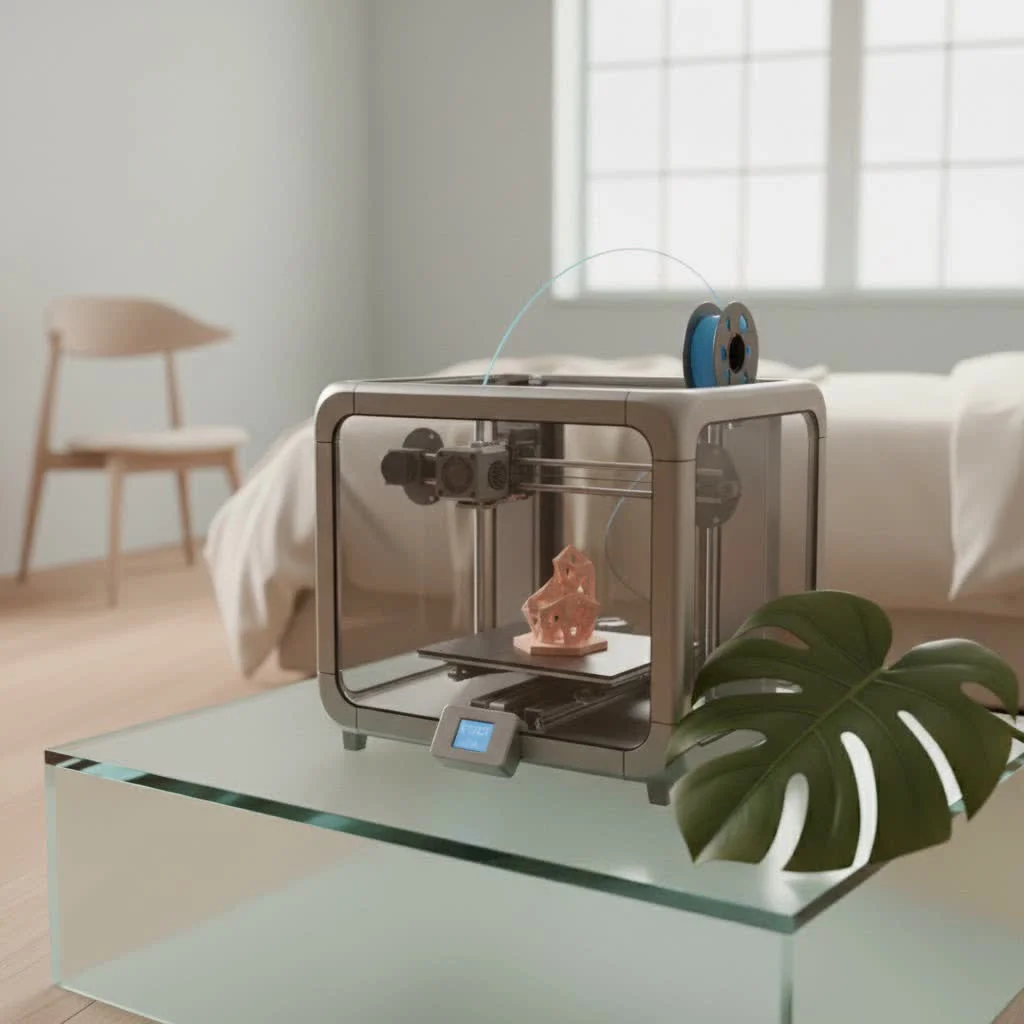
If you’re serious about creating parts that can withstand the rigors of daily use, impacts, and even a bit of heat, then acrylonitrile butadiene styrene (ABS) is your steadfast companion. Forget the flimsy prototypes; with ABS, we’re talking about making components that truly perform. While it sometimes gets a reputation for being a bit “fussy” to print, with the right approach and a few expert tricks up your sleeve, ABS can become one of your most valuable materials.
What Exactly is ABS Filament? The Engineering Backbone
At its core, ABS 3D printer filament is a robust thermoplastic polymer, a compound that becomes pliable when heated and rigid when cooled. It’s a terpolymer, meaning it’s synthesized from three distinct monomers: Acrylonitrile, Butadiene, and Styrene. Each component brings its unique strengths to the table, creating a material with a balanced and powerful profile:
- Acrylonitrile: Provides excellent rigidity, strength, and a good degree of chemical resistance. Think of it as the structural integrity.
- Butadiene: This is the rubbery component, imparting the incredible ductility and impact resistance that ABS is famous for. It’s what makes ABS tough, not brittle.
- Styrene: Contributes to the material’s smooth, shiny finish and overall processability.
First patented way back in 1948, ABS quickly became one of the foundational plastics for industrial applications, and it was also one of the earliest materials adopted in fused deposition modeling (FDM) 3D printing. This rich history speaks volumes about its proven performance and versatility.
The Unmistakable Advantages of ABS: Why It’s a Go-To Material
When it comes to printing parts that need to stand up to the real world, ABS 3D printer filament truly shines. Its unique blend of properties makes it an ideal choice for a wide array of functional applications.
Superior Strength and Impact Resistance
One of the most celebrated characteristics of ABS is its exceptional strength and impact resistance. Unlike some other common filaments that can be brittle, ABS parts are known for their toughness, able to absorb shocks and resist breaking under stress. This is why you find ABS in everyday items like LEGO bricks and protective helmets—products that demand durability and the ability to withstand repeated impacts and general wear and tear. With a typical tensile strength ranging from 40-50 MPa, your ABS prints will certainly feel robust.
Impressive Heat and Chemical Resistance
|
Our Picks for the Best 3D Printer in 2026
As an Amazon Associate I earn from qualifying purchases.
|
||
| Num | Product | Action |
|---|---|---|
| 1 | FLASHFORGE Adventurer 5M Pro 3D Printer with 1 Click Auto Printing System, 600mm/s High-Speed, Quick Detachable 280°C Nozzle, Core XY All-Metal Structure, Multi-Functional 220x220x220mm 3D Printer |

|
| 2 | FLASHFORGE AD5M Pro 3D Printer 600mm/s High Speed & Precision, Full-Auto Calibration with 0.4&0.6mm Nozzle Bundle, CoreXY Structure & Auxiliary Chamber Cooling, ≤50 dB Quite Printing Camera Printers |
|
| 3 | FLASHFORGE AD5M 3D Printer Fully Auto Calibration Print with 1-Click Max 600mm/s Speed, All-Metal CoreXY Structure Precise Printing, Easy-Maintenance Quick-Swap Nozzle, Print Size 220x220x220mm |
|
| 4 | Anycubic Multicolor 3D Printer, Kobra S1 Combo Core XY Stable Structure with Sealed Printing High Precision 600mm/s Fast Speed Auto Calibration Ideal for Precision and Efficiency 9.8\"x9.8\"x9.8\" |
|
| 5 | FLASHFORGE AD5X Multi-Color 3D Printer with IFS, 600mm/s High Speed, 300°C High Temp Direct Extruder, Fully Auto Leveling, All Metal CoreXY,4-Color Printing for PLA-CF,PETG-CF, 220x220x220mm |
|
| 6 | FLASHFORGE AD5X Multi-Color 3D Printer 4 Colors with IFS, Fully Auto Leveling FDM 3D Printer with Max 600mm/s High Speed Printing and Max 300°C Nozzle, Large Printing Size 220 * 220 * 220mm |
|
| 7 | Creality Ender 3 V3 SE 3D Printer, 250mm/s Faster Print Speed CR Touch Auto Leveling Sprite Direct Extruder Dual Z-Axis Auto Filament Loading Ender 3 Upgrade 3D Printer Print Size 8.66x8.66x9.84 inch |
|
| 8 | Creality K2 SE Combo 3D Printer, Support Multicolor Printing with CFS, 500mm/s High-Speed, Smart Auto Leveling, Solid Metal Build Frame, Fully Assembled, Next-Gen Extruder, 220×215×245 mm Build Volume |
|
| 9 | FLASHFORGE Adventurer 5M 3D Printer with Fully Auto Leveling, Max 600mm/s High Speed Printing, 280°C Direct Extruder with 3S Detachable Nozzle, CoreXY All Metal Structure, Print Size 220x220x220mm |
|
| 10 | FLASHFORGE AD5X Multi-Color 3D Printer, CoreXY 600mm/s High-Speed, 1-Click Auto Leveling, 300°C Direct Drive Extruder, 220x220x220mm Build Volume, Ideal for Precision and Efficiency |
|
Have you ever printed a part in another material only for it to deform under a bit of sunlight or ambient heat? ABS largely solves that problem. It boasts a significantly higher glass transition temperature (around 105°C) compared to materials like PLA (which is around 60°C). This means your ABS printed parts can handle much higher temperatures before they start to soften or warp, making it perfect for components that might be exposed to moderate heat, mechanical stress, or vibration, such as automotive parts or electronic enclosures. Furthermore, ABS offers good electrical insulation and moderate resistance to diluted acids, alkalis, and alcohols, adding to its functional appeal.
Durability for Functional Parts
When you’re designing a tool handle, a functional prototype, or an end-use component that needs to integrate into a larger system, durability is paramount. ABS delivers. Its resistance to abrasion and strain, combined with its high impact strength, ensures that parts printed with ABS 3D printer filament will have a longer lifespan and maintain their structural integrity even with continuous use.
Post-Processing Potential
Beyond its inherent strength, ABS offers fantastic post-processing capabilities. For those seeking a truly professional, smooth, and glossy finish, ABS can be easily smoothed using acetone vapor. This technique melts the outer layers, effectively removing layer lines and creating a surface finish that looks more like an injection-molded part than a 3D print. This allows for unparalleled aesthetic quality and even enables the solvent bonding of multiple printed parts without traditional adhesives.
Navigating the Nuances: Challenges of Printing with ABS
While the advantages of ABS 3D printer filament are compelling, it’s important to acknowledge its unique printing characteristics. Many newcomers to ABS find it a bit more challenging than, say, PLA, but these hurdles are easily overcome with the right knowledge and setup.
The Warping Phenomenon: Understanding Thermal Contraction
The most common frustration for beginners with ABS is warping. ABS has a high coefficient of thermal expansion, meaning it contracts significantly as it cools. If this cooling happens unevenly, different parts of your print will pull at varying rates, leading to corners lifting off the print bed or layers delaminating. This curling and deforming, known as warping, can ruin an otherwise perfect print.
Fume Emission: Safety First!
When heated during printing, ABS releases mild styrene fumes. While typically not severely toxic in well-ventilated spaces, these fumes can be unpleasant and, in poorly ventilated areas, potentially irritating or cause headaches for some individuals. Prioritizing safety by managing these emissions is crucial for a comfortable and healthy printing environment.
Hygroscopic Nature: Keep It Dry!
Like many filaments, ABS is hygroscopic, meaning it readily absorbs moisture from the air. Moist filament can lead to a host of printing issues: poor layer adhesion, bubbling, stringing, brittle prints, and even inconsistent extrusion. If your ABS filament has been sitting out, it’s likely absorbed some water.
Mastering the Print: Expert Tips for ABS Success
Don’t let the challenges deter you! With the right strategies, printing with ABS 3D printer filament can be a rewarding experience, yielding highly functional and durable parts.
The Indispensable Enclosure and Heated Bed
To combat warping, an enclosed 3D printer is strongly recommended. An enclosure helps maintain a stable, warm ambient temperature around your print, minimizing rapid cooling and reducing thermal stress. This steady environment is your best defense against warping and cracking.
Equally critical is a heated print bed, typically set between 90-110°C. This keeps the base of your print warm, promoting strong adhesion and preventing the first layers from lifting.
Optimizing Print Settings
- Nozzle Temperature: A common range for ABS is 220-250°C, though some specific brands or ABS+ variants might benefit from slightly higher temperatures, even up to 260°C. The key is ensuring the filament melts sufficiently for strong layer bonding.
- Print Speed: Slow and steady wins the race with ABS. Aim for a print speed of 40-60 mm/s. This allows each layer adequate time to cool and bond properly before the next one is deposited, further mitigating warping.
- No Part Cooling Fan (or very minimal): Unlike PLA, you generally want to avoid aggressive part cooling with ABS, especially for the initial layers, to prevent premature cooling and subsequent warping.
Bed Adhesion Strategies
Even with a heated bed, sometimes a little extra help is needed. Consider these options to ensure your ABS sticks:
- Kapton Tape: A classic choice, providing a great surface for ABS.
- ABS Slurry: A mixture of ABS scraps dissolved in acetone can be painted onto your print bed, creating a perfect, self-similar adhesion layer.
- Hairspray or Glue Stick: Many common brands work well to create a tacky surface.
For larger prints or parts with thin features, employing a brim or raft in your slicing software can significantly increase the footprint of the first layer on the print bed, drastically reducing the chances of warping.
Ventilation and Air Filtration: Prioritizing Safety
Your health comes first. When printing with ABS 3D printer filament, ensure your workspace is well-ventilated. If you’re using an enclosed printer, consider one equipped with an activated carbon filter to capture those styrene fumes. If your printer isn’t enclosed, printing in an open space with good air circulation or using a dedicated fume extraction system is essential.
Filament Storage: Keeping Moisture at Bay
To avoid the pitfalls of moist filament, always store your ABS in an airtight container or a dry box. Adding desiccant packets can further ensure it remains dry and ready for optimal printing performance. A dry filament leads to smoother extrusion, better layer adhesion, and ultimately, stronger prints.
Where ABS Shines Brightest: Real-World Applications
The robust characteristics of ABS 3D printer filament make it indispensable across numerous industries and for a wide range of functional parts.
- Automotive Components: From interior trim to custom brackets, ABS’s heat and impact resistance make it a prime choice for car parts.
- Electronic Enclosures: Its electrical insulation properties and durability are perfect for creating housings and casings for sensitive electronics.
- Functional Prototypes & End-Use Parts: Engineers often turn to ABS for testing the impact resistance and durability of new designs, knowing the material will accurately reflect real-world performance.
- Consumer Goods: Beyond LEGOs, you’ll find ABS in appliances, tool casings, and even luggage, showcasing its ability to withstand significant wear and tear.
- DIY & Hobbyist Projects: For those making durable tools, protective gear, or long-lasting functional prints at home, ABS is a fantastic option.
ABS vs. PLA: The Ultimate Showdown
When choosing a filament, the perennial question is often “ABS or PLA?” While both are staples in 3D printing, they serve different purposes. Understanding their key differences will guide you to the right choice for your project.
| Feature | ABS (Acrylonitrile Butadiene Styrene) | PLA (Polylactic Acid) |
|---|---|---|
| Strength & Durability | High impact resistance, tough, ductile, good abrasion resistance. | High tensile strength, stiff, but more brittle and less ductile. |
| Heat Resistance | High (Glass Transition: ~105°C), good for moderate heat applications. | Low (Glass Transition: ~60°C), deforms easily under heat. |
| Ease of Printing | More challenging; prone to warping, requires heated bed & enclosure, emits fumes. | Easier to print, less warping, often no heated bed needed, minimal odor. |
| Surface Finish | Can be smoothed with acetone for a glossy, professional look. | Typically good surface finish, slightly shiny. Cannot be solvent smoothed. |
| Applications | Functional parts, engineering components, end-use parts, high-stress items. | Prototypes, aesthetic models, low-stress parts, educational use. |
| Environmental | Petroleum-based, non-biodegradable. | Made from renewable resources (corn/sugarcane), biodegradable under industrial composting. |
While PLA excels in ease of use and environmental friendliness for rapid prototyping and decorative items, ABS 3D printer filament clearly dominates when strength, impact resistance, and heat tolerance are non-negotiable.
Expert Insights for Elevating Your ABS Prints
“Mastering ABS is less about battling the material and more about understanding its needs,” shares Dr. Lena Petrova, a materials science engineer specializing in additive manufacturing. “It thrives in a stable environment. Focus on maintaining consistent temperatures—both on the bed and in the build chamber—and you’ll unlock its full potential for truly resilient, functional parts.”
Frequently Asked Questions (FAQ)
Is ABS filament toxic?
When heated, ABS releases styrene fumes which can be unpleasant and potentially irritating in poorly ventilated areas. While not acutely toxic in typical 3D printing quantities, good ventilation and/or an activated carbon filter are strongly recommended to ensure a safe printing environment.
Can I print ABS without an enclosure?
While technically possible for very small, simple prints, printing ABS without an enclosure is generally not recommended. The lack of a stable ambient temperature significantly increases the risk of warping and cracking, especially for larger or more complex models.
What temperature should I print ABS at?
A typical nozzle temperature range for ABS is between 220-250°C, with some specific filaments potentially requiring up to 260°C. For the heated bed, aim for 90-110°C to ensure optimal adhesion and minimize warping.
How do I stop ABS from warping?
The most effective strategies to prevent ABS warping include using an enclosed 3D printer, a heated print bed (90-110°C), applying bed adhesion aids (Kapton tape, ABS slurry, glue stick), using brims or rafts, and maintaining a slower print speed.
Is ABS stronger than PLA?
Generally, yes, ABS is considered stronger and more durable than PLA, especially in terms of impact resistance and heat tolerance. ABS has better ductility, meaning it can deform under stress without breaking, whereas PLA tends to be stiffer but more brittle.
The WMTSV Takeaway: Embrace the Power of ABS
ABS 3D printer filament remains a cornerstone of functional 3D printing for a reason. Its inherent strength, impressive impact resistance, and superior heat handling make it the ideal choice for creating parts that demand to be more than just pretty models—they need to be workhorses. Yes, it asks a little more from your printer setup and attention to detail, but the payoff is immense: durable, reliable, and functional components that seamlessly integrate into the real world.
Don’t shy away from ABS. Instead, arm yourself with the knowledge and techniques we’ve discussed, and you’ll find it to be an incredibly rewarding material. So, get that enclosure ready, crank up that print bed, and confidently unleash your creativity with ABS. Your next robust, high-performance print is just waiting to be made!
Get our weekly buyer guide
Practical specs, not advice. Unsubscribe anytime.